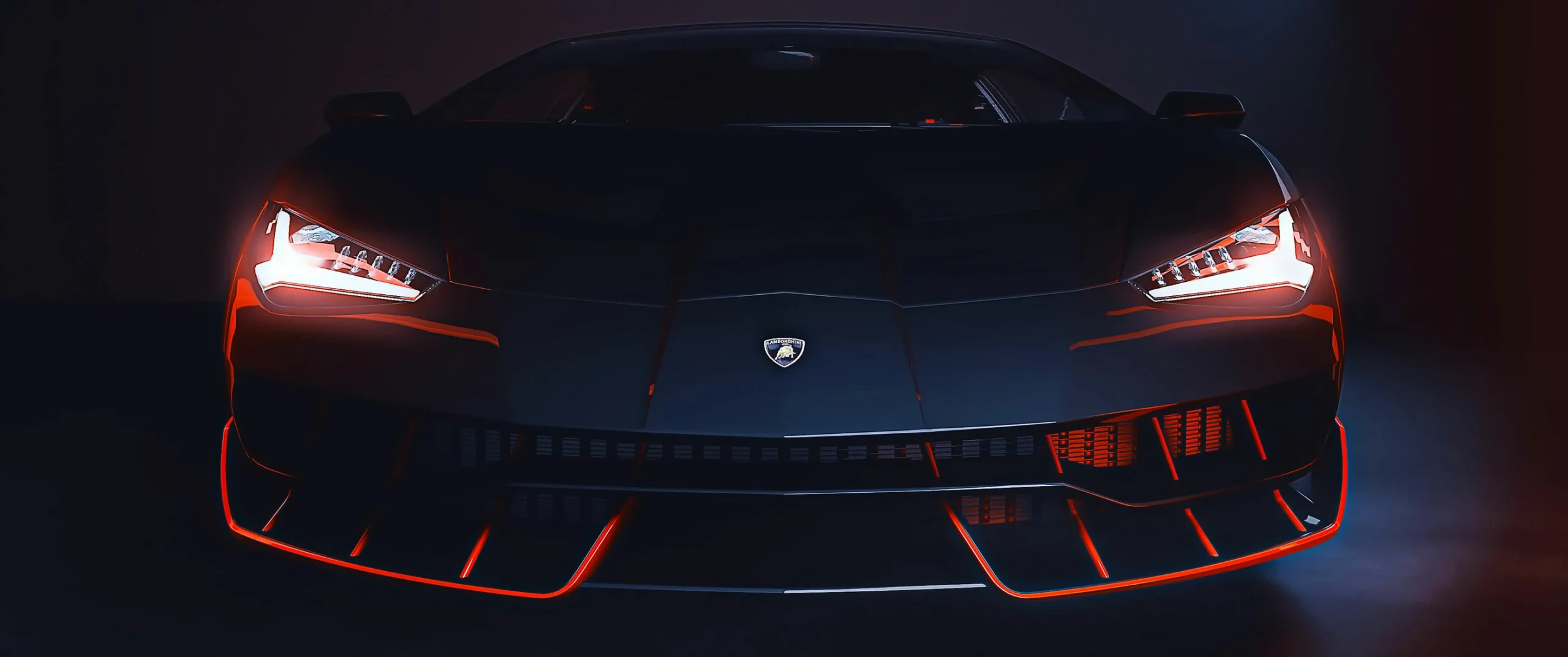
Both options darken your headlights—but only one is designed for long-term protection and reversibility.
It usually starts the same way.
You want darker headlights. A sharper look. Something cleaner and more aggressive than the factory finish. A quick search brings up two common solutions: headlight tint film and spray tint.
At first glance, they seem interchangeable. Both change the color of the lens. Both promise a smoked appearance. Both are marketed as affordable upgrades.
But structurally, they are entirely different approaches.
And that difference matters more than most people realize.
Spray tint is, at its core, a coating. It applies pigment directly onto the headlight surface, much like paint. Once cured, it becomes part of the outer layer. The darker the spray, the more permanent the result.
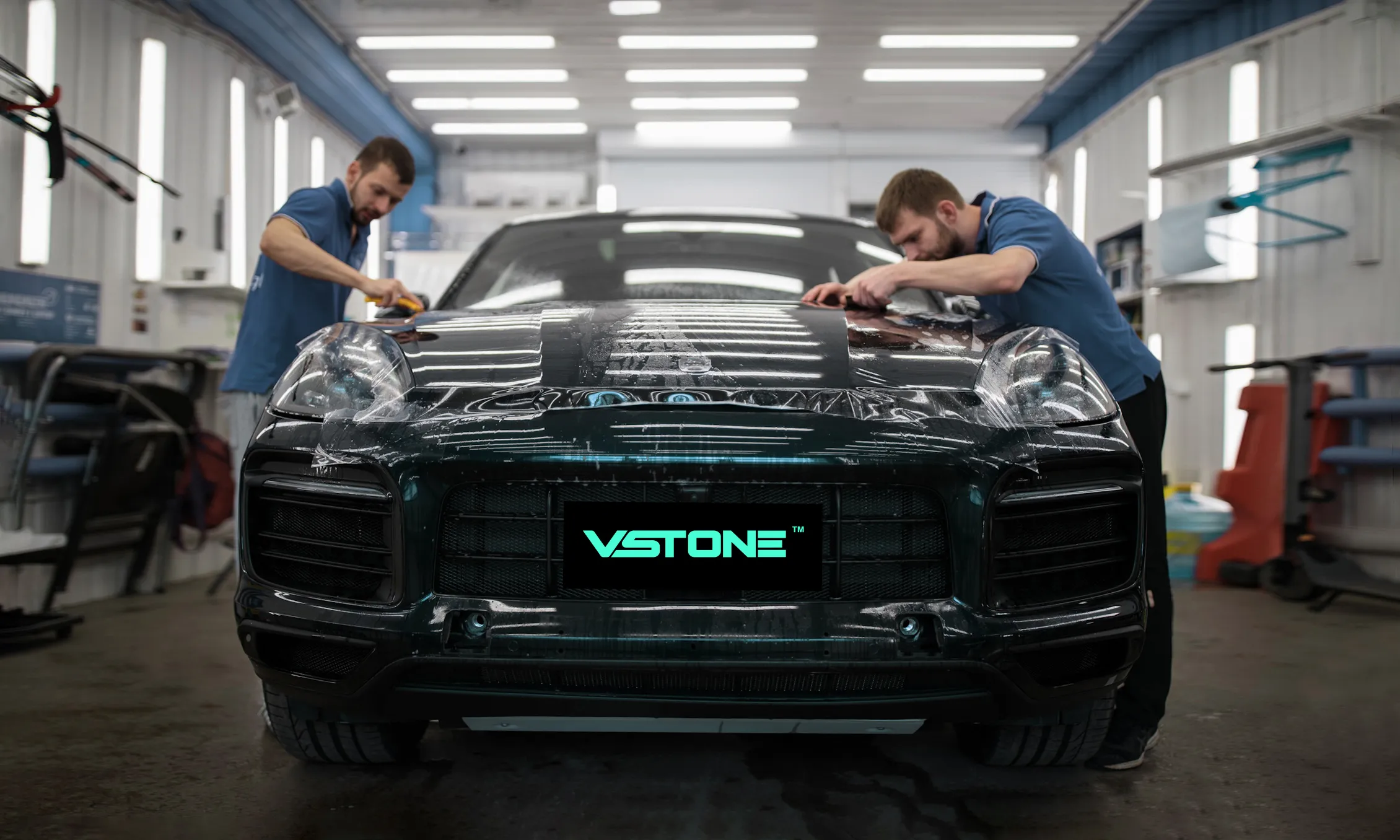
Headlight tint film, by contrast, is a surface-applied material. It sits on top of the lens rather than chemically bonding into it. Professional-grade films—especially TPU-based variants—are engineered with elasticity, impact resistance, and optical control in mind.
The distinction between coating and film defines nearly every performance difference that follows.
Durability and Surface Protection
Spray tint changes appearance, but it does not meaningfully protect the lens from physical impact. Road debris and micro-abrasions still strike the factory surface. If scratches occur, they cut through the coating and into the lens itself.
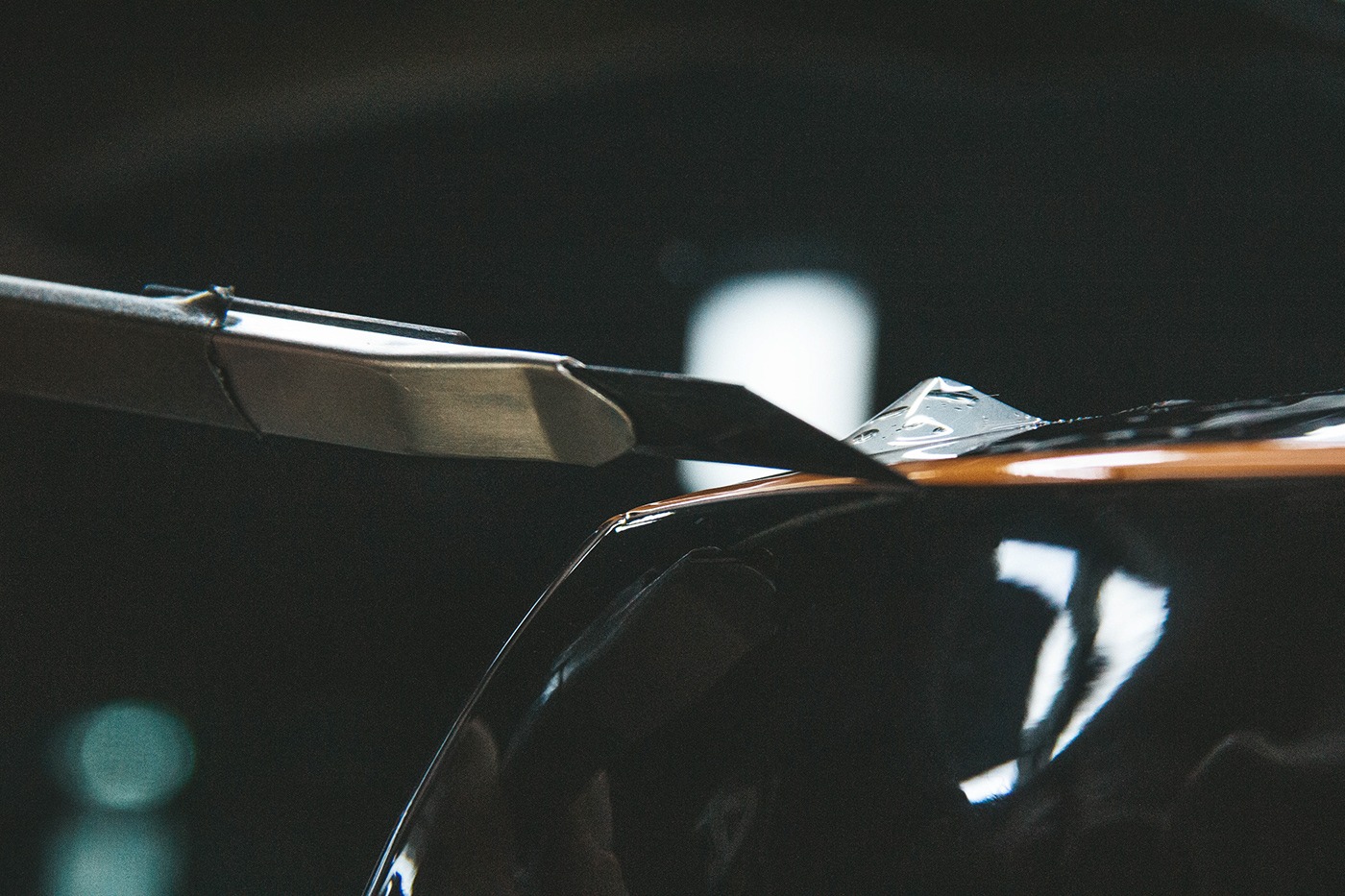
High-quality headlight tint film acts as a sacrificial layer. Minor stone chips, sand abrasion, and environmental wear affect the film first. When the film shows signs of aging, it can be replaced—leaving the original lens intact beneath.
For modern LED and adaptive headlights, where replacement costs can be substantial, that distinction becomes financially relevant.
Reversibility and Long-Term Flexibility
One of the most overlooked factors in this comparison is removability.
Spray tint is difficult to reverse cleanly. Removing it often requires sanding or chemical stripping, which introduces risk to the factory lens clarity. Improper removal can permanently haze the surface.
Headlight tint film is designed for clean removal. When installed correctly with stable adhesive systems, it can be peeled away without leaving residue or damaging the underlying lens.
For leased vehicles, resale preparation, or regulatory compliance, that flexibility is a significant advantage.
Light Output and Safety Considerations
Both methods can affect brightness if applied excessively dark. However, spray tint often lacks precise thickness control, leading to uneven application and inconsistent light transmission.
Film-based systems offer controlled opacity levels. Lighter smoke and transparent protection variants are engineered to balance visual enhancement with functional light output. Professional installers can select appropriate shades based on local road regulations and safety standards.
In short, film offers predictability. Spray relies heavily on application skill and restraint.
Aesthetic Precision
Spray tint can produce a uniform look when applied carefully, but overspray, dust contamination, and curing inconsistencies are common risks—especially in non-controlled environments.
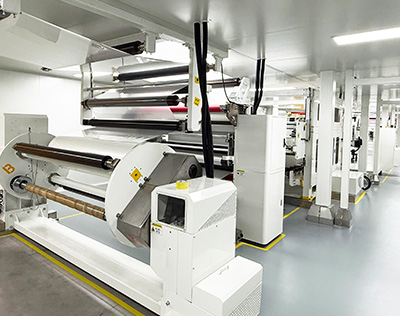
Headlight tint film is pre-manufactured under controlled production conditions. Color consistency, thickness uniformity, and surface finish are engineered before installation even begins. The result is often cleaner edges, smoother finishes, and more repeatable outcomes.
Cost: Short-Term vs Long-Term Thinking
Spray tint may appear cheaper upfront. The materials are inexpensive, and application can be quick.
However, if fading, cracking, or uneven wear occurs, correction often involves refinishing the lens entirely. That can increase long-term costs.
Headlight tint film may carry a slightly higher initial price—particularly higher-grade TPU films—but its replaceable nature and protective function often make it more cost-efficient over time.
The real comparison isn’t just price. It’s lifecycle value.
So Which Is Better?
If the goal is a quick, low-cost cosmetic change with no concern for reversibility, spray tint may seem sufficient.
But for drivers who value surface protection, controlled aesthetics, clean removability, and long-term lens preservation, headlight tint film is the more engineered solution.
It doesn’t permanently alter the factory surface.
It doesn’t require aggressive removal.
And when properly selected, it supports both styling and protection.
That balance is why more professional installers and automotive film manufacturers focus on advanced film systems rather than spray-based modifications.
Sometimes the smarter upgrade isn’t the fastest one—it’s the one designed to work with the vehicle, not against it.