When people research paint protection film, they usually focus on things like thickness, self-healing technology, or brand reputation.
But professional installers often notice something far more important.
Climate quietly determines how long PPF really lasts.
A vehicle driving daily in Northern Europe may keep its film looking nearly perfect for years. Meanwhile, the same film installed on a car in Dubai, Texas, or Australia may age much faster.
The difference isn’t the installation.
The difference is the environment.
Sunlight, temperature fluctuations, humidity, road chemicals, and airborne dust all interact with the material over time. These environmental factors slowly influence the film’s clarity, flexibility, and adhesive strength.
And over several years, those small effects begin to add up.
The Environmental Factors That Affect PPF Durability
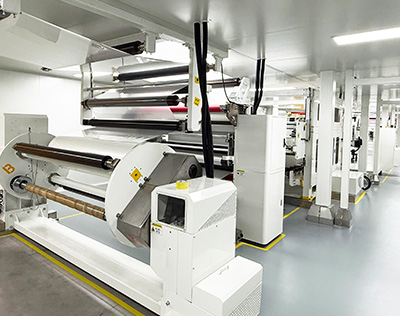
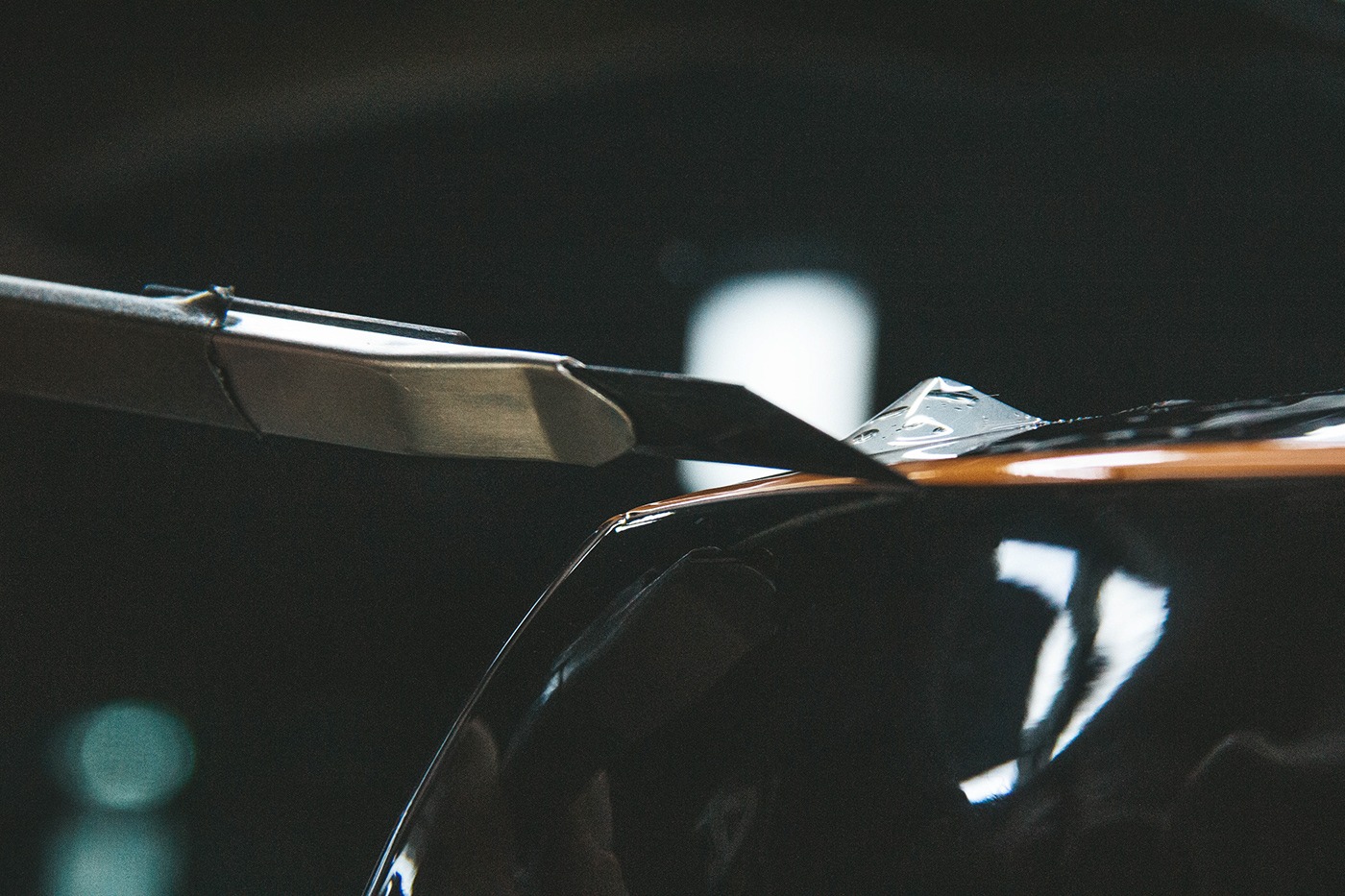
Paint protection film is a multilayer material. Beneath the glossy surface are several functional layers, including a protective top coat, a flexible TPU core, and a pressure-sensitive adhesive layer.
Each of these layers reacts differently to environmental stress.
In hot climates, constant UV exposure becomes the biggest challenge. Sunlight gradually breaks down polymer materials, which is why lower-quality films may start to yellow after prolonged exposure. Premium films include UV stabilizers designed to slow down this process and maintain long-term clarity.
Heat creates another form of stress. During summer, vehicle surfaces can reach 70°C (160°F) or more. Metal body panels expand under heat, while the film expands at a slightly different rate. Over thousands of heating and cooling cycles, this movement can slowly weaken adhesives in lower-grade films, sometimes causing edges to lift.
Humidity presents a different issue. In coastal or tropical regions, moisture can gradually affect the adhesive layer beneath the film. While high-quality products are engineered to resist this, lower-grade films may experience bubbling or adhesion loss over time.
In desert regions, wind carries extremely fine sand particles that continuously brush against the vehicle’s surface. This micro-abrasion slowly reduces surface gloss if the protective coating is not strong enough.
Cold climates create their own challenges as well. Road salt used during winter driving can accumulate along film edges, and repeated freezing cycles place additional stress on both adhesives and coatings.
These environmental factors don’t mean PPF fails in harsh climates—but they do mean film quality becomes much more important.
Why Film Material Matters More in Extreme Climates
Because climate conditions vary so widely across global markets, installers often rely on different types of paint protection films depending on the vehicle and environment.
For everyday vehicles and daily commuters, entry-level films based on TPH materials provide reliable protection against minor scratches, road debris, and environmental contaminants. These solutions are often used on standard passenger vehicles where cost efficiency is important.
For higher-end vehicles, however, most installers prefer TPU-based paint protection films. TPU materials offer stronger elasticity, better resistance to UV degradation, and advanced self-healing properties that help the film recover from light scratches and maintain clarity over time.
This is why luxury and performance vehicles—such as Tesla, Porsche, BMW, and Mercedes-Benz—are more commonly protected using TPU films.
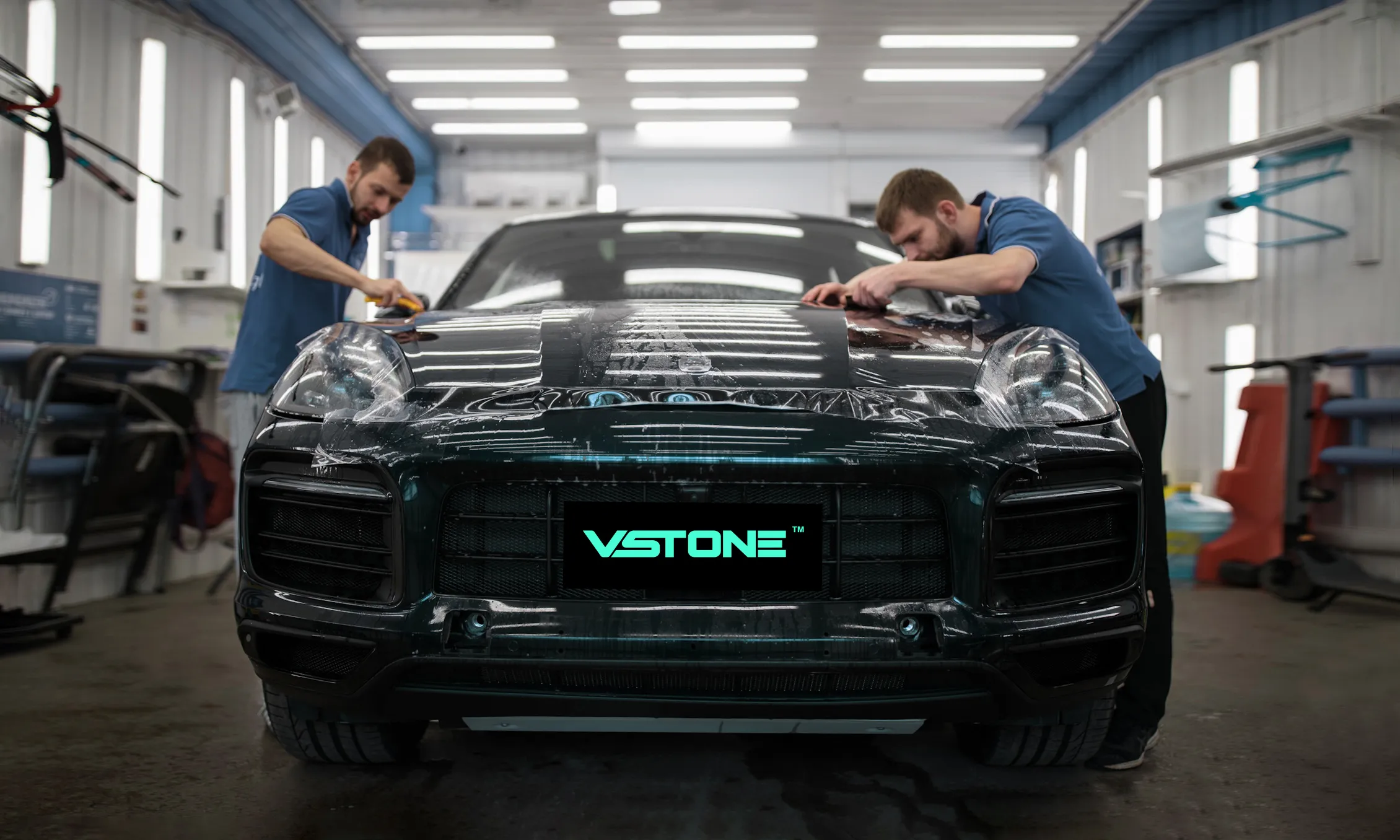
Manufacturers like VSTONE, part of the TOME Group, develop both TPU and TPH paint protection film series to support different market needs. Their TPH products provide cost-effective everyday protection, while their TPU films are engineered for higher durability and long-term visual clarity in demanding climates.
Because ultimately, paint protection film isn’t just about preventing rock chips.
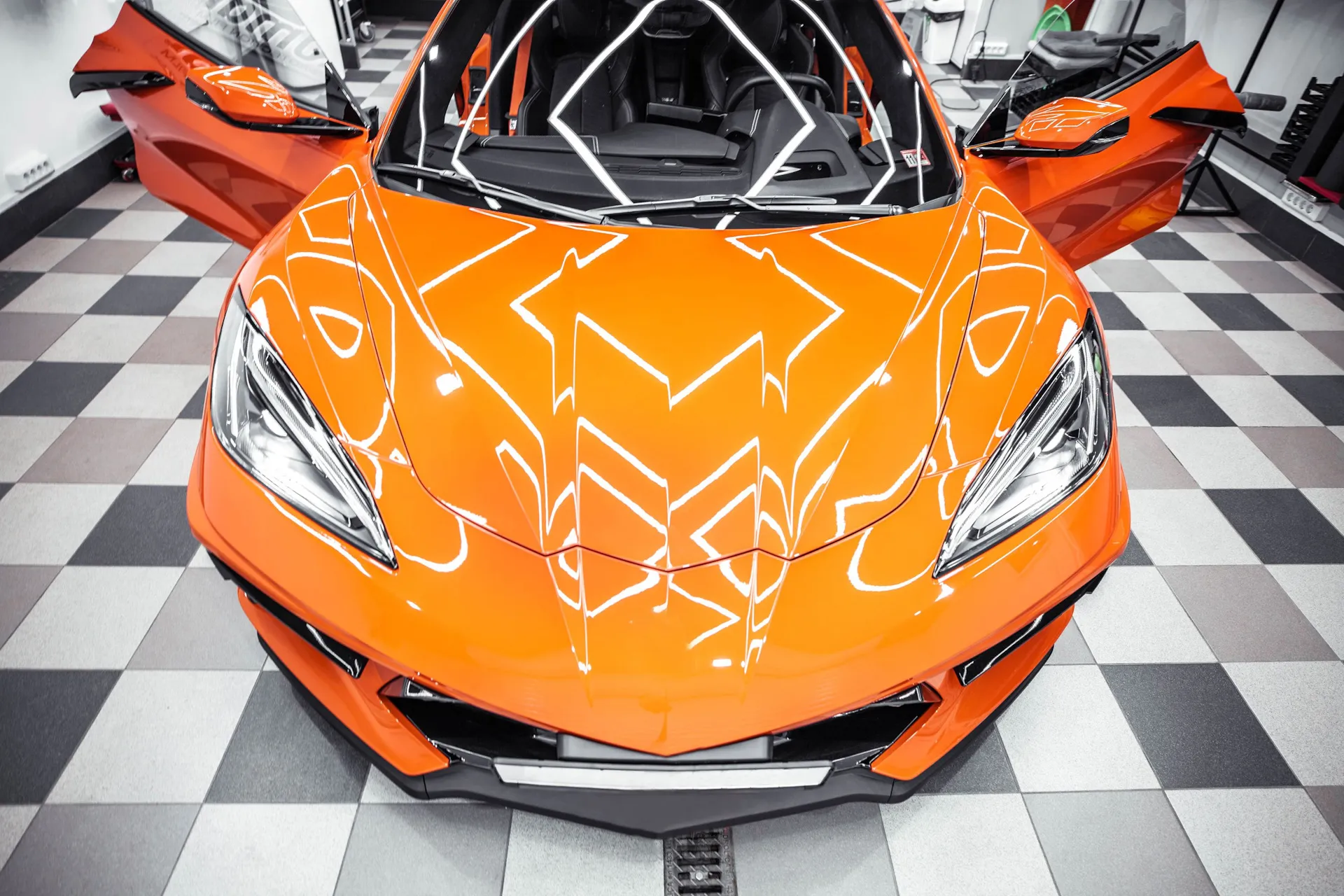
It’s about protecting a vehicle’s finish year after year, whether the car faces desert heat, coastal humidity, or freezing winter roads.
And in many cases, the surrounding climate quietly becomes the factor that determines how long that protection truly lasts.
Most premium PPF products last between 5 and 10 years depending on climate conditions, installation quality, and maintenance.
Long-term UV exposure can gradually degrade polymer materials, which is why high-end films use UV stabilizers to maintain clarity.
Yes. In fact, hot climates are where PPF becomes most valuable, as it protects paint from UV damage, sand abrasion, and environmental contaminants.
Extreme heat can accelerate aging in lower-quality films and weaken adhesive layers over time, especially in regions with intense sunlight.