Choosing the right paint protection film (PPF) is essential for anyone in the automotive industry who values durability, clarity, and long-term performance. Whether you’re a professional installer or a car enthusiast, understanding how to evaluate PPF quality can help you make smarter purchasing decisions and avoid costly replacements later.
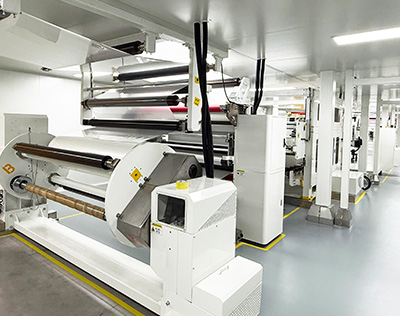
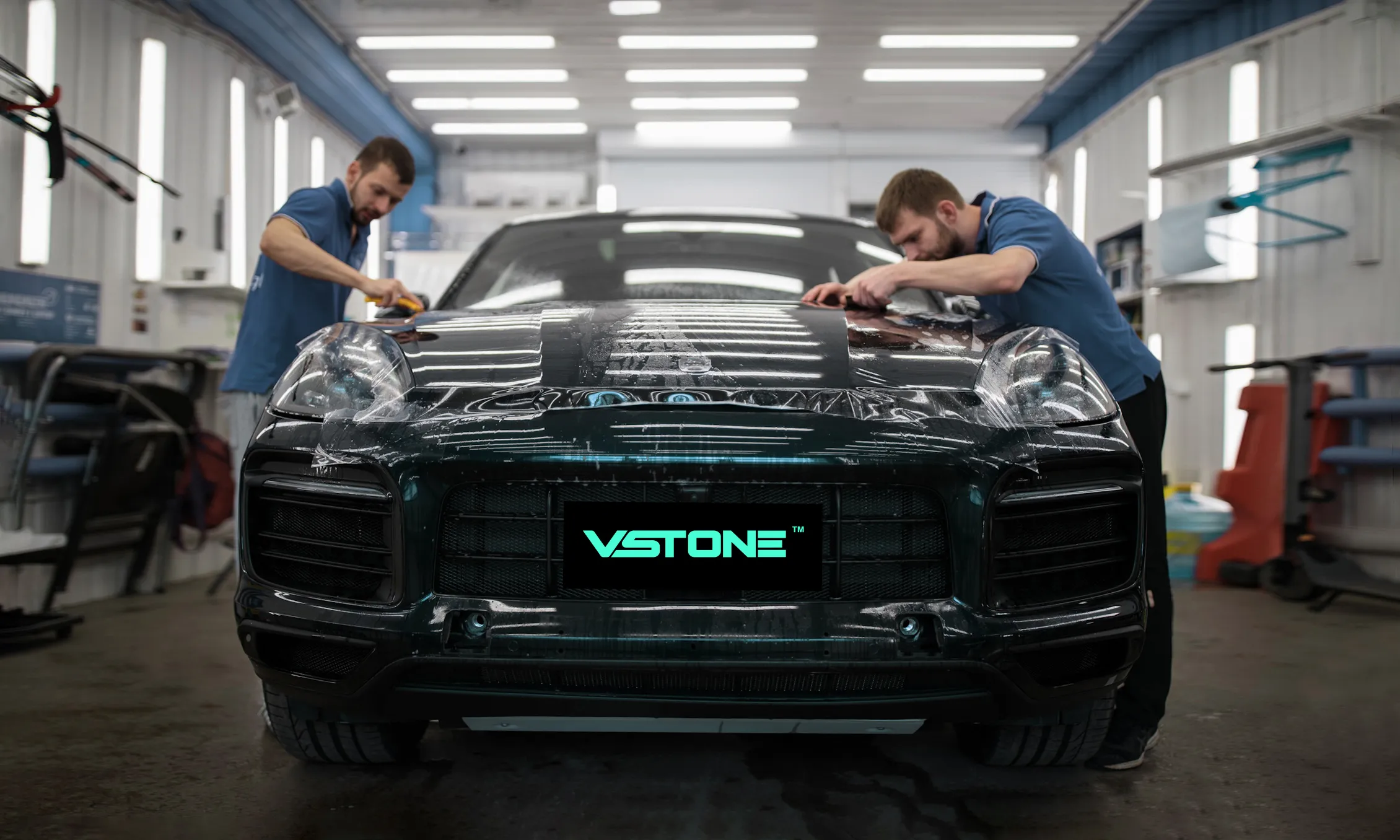
At VSTONE, we follow rigorous PPF quality inspection and PPF test standards to ensure that every film we produce meets global performance expectations. Below are the key factors you should consider when judging PPF quality.
1. Film Thickness: The Foundation of Protection
Thickness plays a critical role in how well a film can resist scratches, rock chips, and minor impacts.
Standard Range: 7–8 mil for standard PPF, 10–12 mil for premium-grade protection.
Why It Matters: A thicker film offers stronger protection, while maintaining flexibility for easier installation.
VSTONE Standard: Consistent thickness control for balanced strength and smooth handling.
2. Stretchability and Elastic Recovery
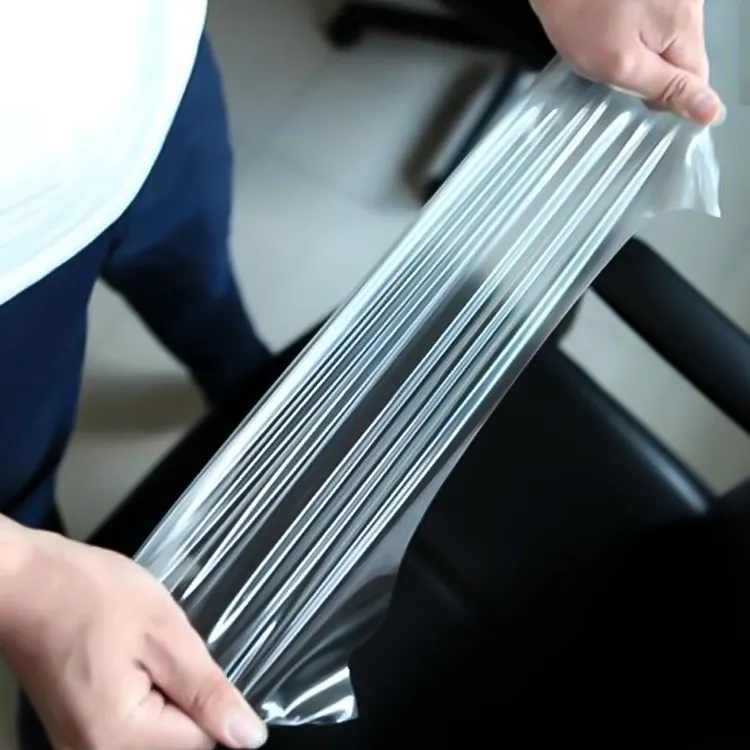
A top-quality PPF must be highly stretchable without losing transparency or forming white marks.
Test It Yourself: Stretch a sample by 50–100%. High-grade films should maintain optical clarity and return to their original shape.
VSTONE Advantage: Our advanced TPU structure provides excellent elongation and recovery, making installation faster and more efficient on complex car surfaces.
3. Optical Clarity and Visual Gloss
The film’s optical clarity determines how your car looks after installation.
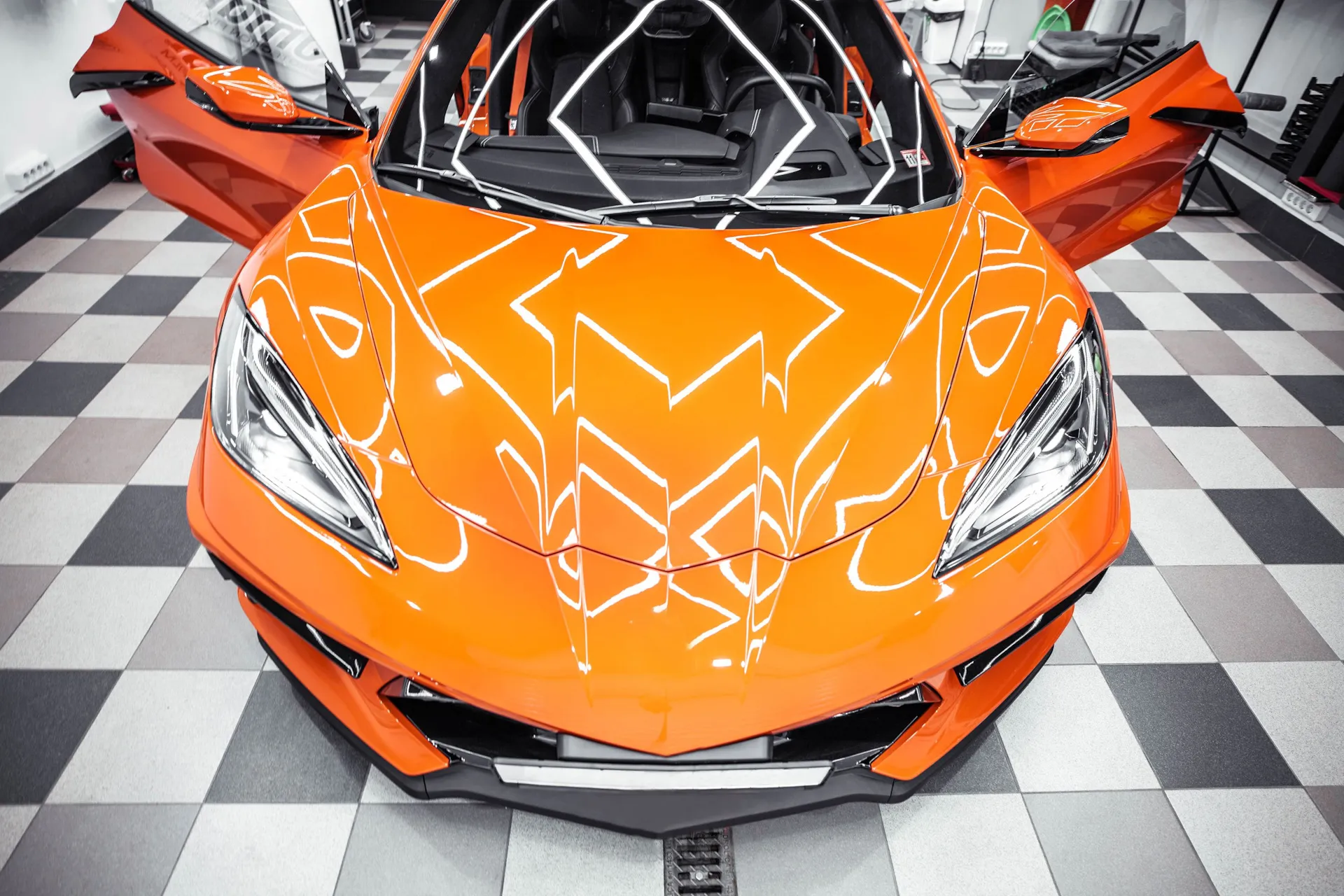
High-Quality Film: Offers crystal-clear transparency and deep gloss without distortion.
Low-Quality Film: Appears cloudy or may yellow over time due to poor UV resistance.
VSTONE’s Solution: We use premium TPU raw materials and UV-stable topcoats to ensure long-term clarity and brilliance.
4. Adhesion and Ease of Removal
Adhesive performance defines both installation convenience and paint safety.
Good PPF: Sticks firmly, yet can be removed cleanly without residue.
Poor PPF: May lift at edges or damage paint when removed.
VSTONE Standard: Balanced adhesion system—strong enough to stay secure, gentle enough to protect your vehicle’s finish.
5. Self-Healing Coating Performance
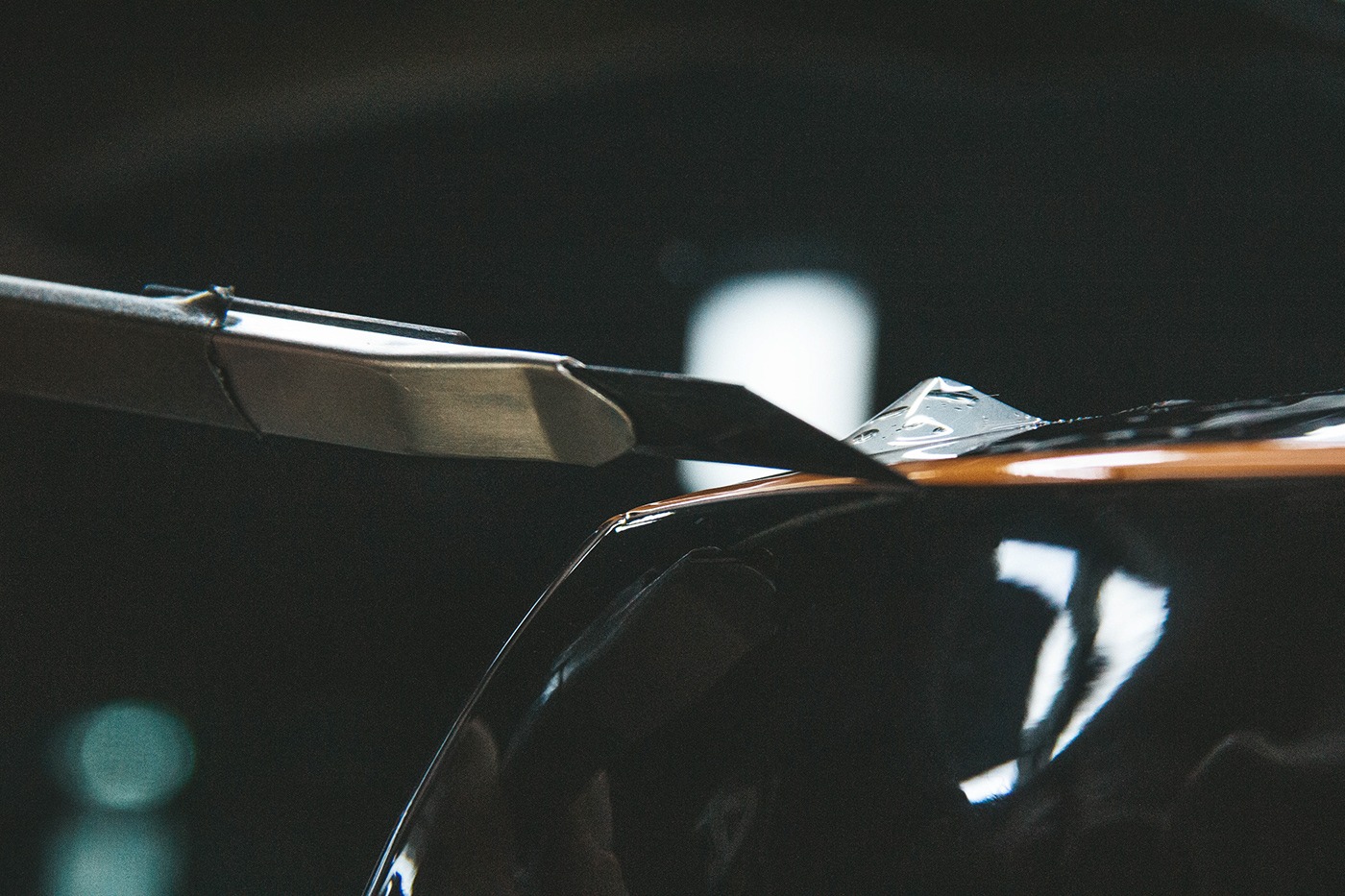
One of the hallmarks of a premium PPF is self-healing ability. This feature allows the film to recover from light scratches with heat or sunlight.
Simple Test: Lightly scratch the surface and apply warm air. The mark should disappear within seconds.
VSTONE’s Technology: Our nano self-healing TPU coating restores surface smoothness quickly, keeping your vehicle looking new for years.
6. UV and Chemical Resistance
Durability isn’t just about physical toughness—chemical stability matters, too.
What to Check: Resistance to UV exposure, acid rain, bird droppings, and car wash chemicals.
PPF Test Standard: Long-term weathering and solvent-resistance tests help confirm product stability.
VSTONE Films: Built to endure harsh climates and daily wear without fading, yellowing, or cracking.
Conclusion
A truly high-quality paint protection film should excel in thickness, stretchability, clarity, adhesion, and self-healing performance. When evaluating products, make sure they comply with trusted PPF test standards and undergo strict PPF quality inspections.
At VSTONE, we’re committed to delivering consistent, professional-grade PPF that enhances your brand reputation and provides lasting protection for every vehicle.