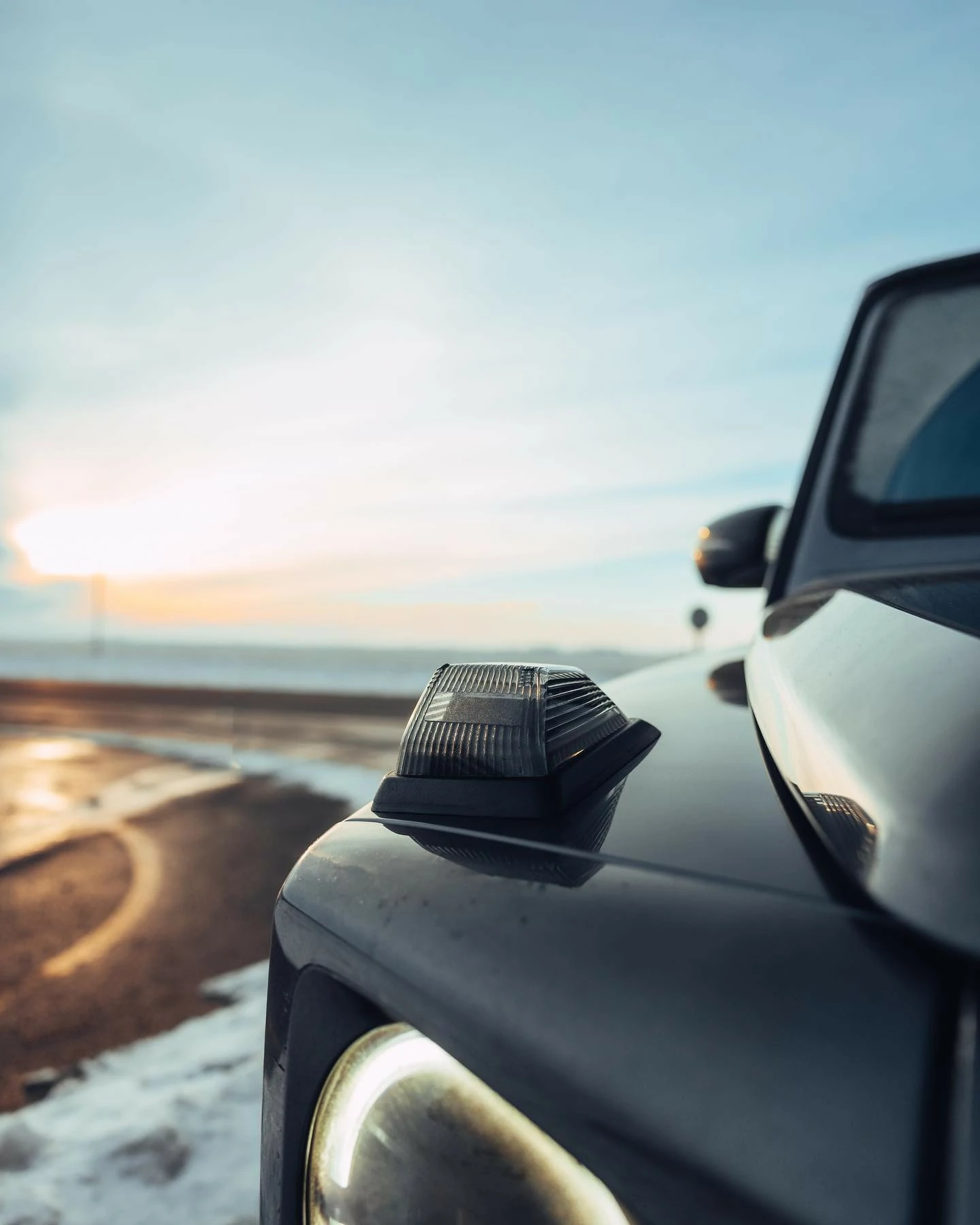
The real lifespan of headlight tint film depends less on marketing claims—and more on material engineering.
Three years.
It’s the number you see everywhere.
Product listings promise it. Installers repeat it. Marketing materials highlight it.
But here’s the uncomfortable truth:
Most headlight tint films on the market do not actually maintain stable performance for three full years under real outdoor conditions.
That doesn’t mean every product fails early. It means durability is often simplified into a number—while the engineering behind that number is rarely explained.
Headlight tint film lives in one of the harshest exterior environments on a vehicle. It sits directly over a component that generates heat. It faces constant UV radiation. It absorbs impact from dust, sand, and road debris at highway speeds.
Over time, that stress accumulates.
Why the “3-Year Lifespan” Is Often Misleading
Lower-grade vinyl films typically begin to show signs of fatigue within 12 to 24 months. The first symptoms are subtle: slight edge lift, minor color softening, reduced elasticity. As UV exposure continues, adhesives may harden and shrink, accelerating visible aging.
The three-year claim often reflects ideal conditions—not daily driving reality.
In regions with intense sunlight, high humidity, or frequent temperature swings, material degradation happens faster. A film engineered primarily for cosmetic effect will struggle under thermal cycling and radiation stress.
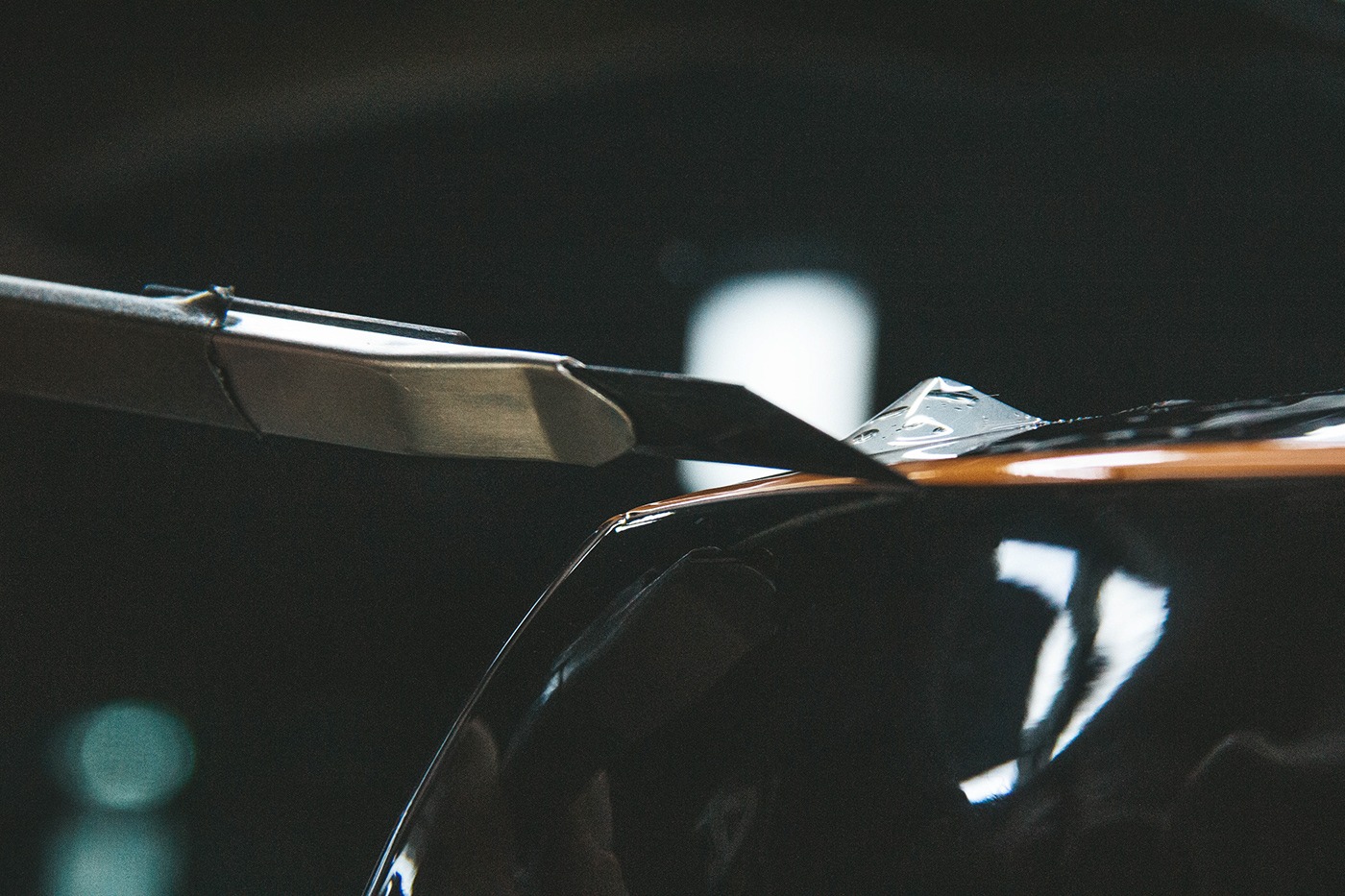
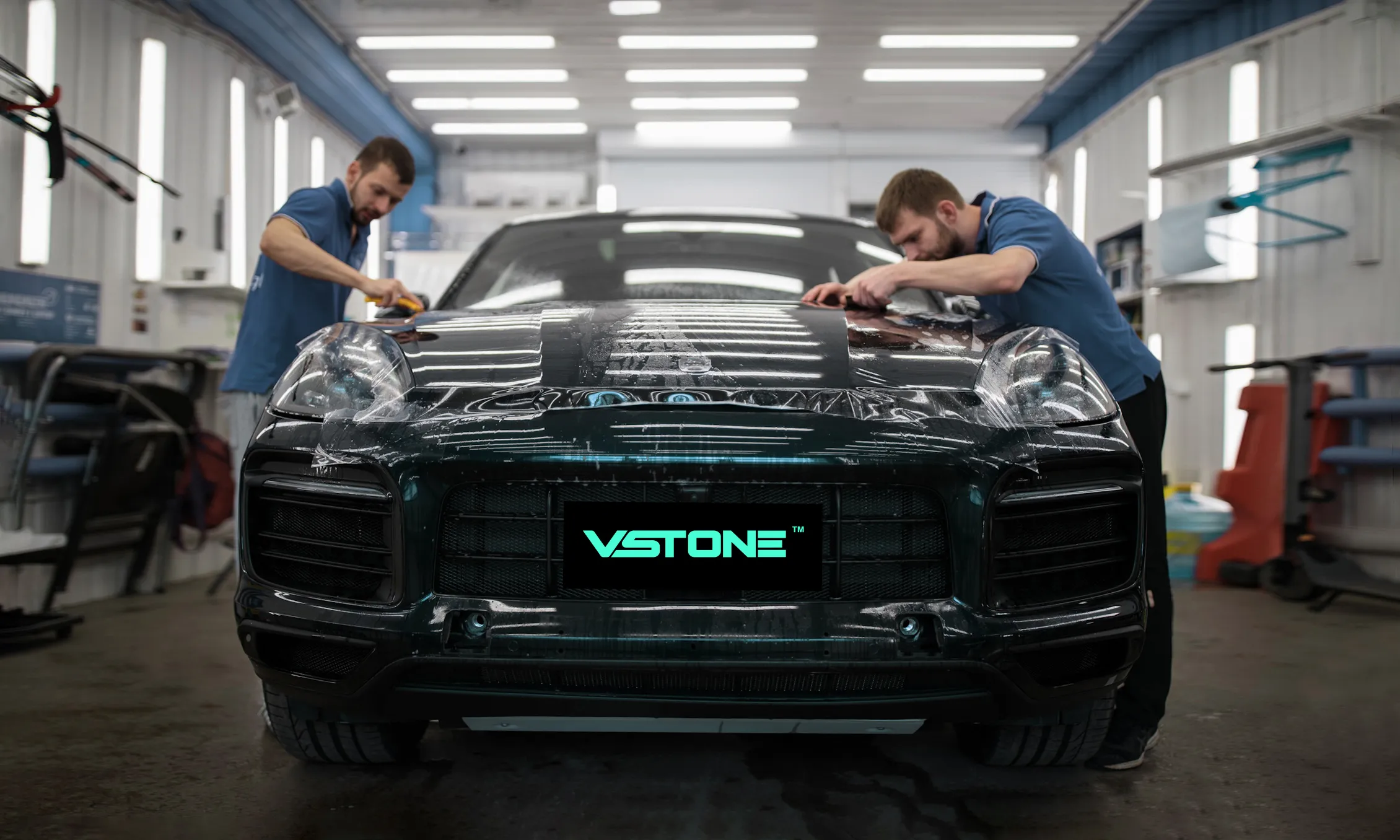
Installation also plays a silent role. Overstretching during application creates tension memory in the film. Poor surface preparation weakens adhesion from day one. Inconsistent edge sealing allows moisture intrusion.
Even a strong film can underperform if installed carelessly.
So when someone says “3 years,” the real question should be:
Under what conditions—and with what material?
What Actually Determines Long-Term Durability
Material architecture is the deciding factor.
TPU-based films behave differently from standard PVC vinyl. TPU maintains elasticity longer, allowing it to expand and contract with heat fluctuations instead of cracking under stress. Integrated UV stabilizers slow discoloration. Advanced adhesive systems maintain bonding strength without becoming brittle.
Durability is not a promise printed on packaging. It is a result of molecular stability and controlled manufacturing.
Under proper conditions—moderate climate, professional installation, and correct maintenance—a high-quality TPU headlight tint film can maintain structural integrity and visual stability for three years or more.
But that outcome depends on choosing a product engineered for long-term exposure, not short-term appearance.
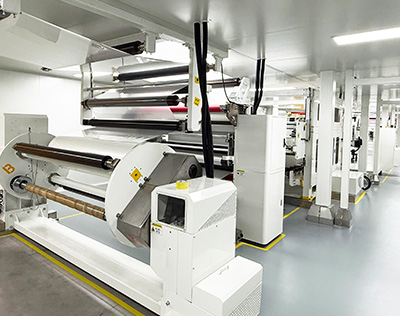
At VSTONE, headlight tint film is developed with controlled thickness consistency, stabilized adhesive systems, and UV-resistant multi-layer construction specifically designed for real-world outdoor use. Production standards focus on repeatable performance across batches, ensuring installers and distributors can rely on consistent material behavior.
The difference becomes visible over time.
When lower-grade films begin to shrink or fade, structurally engineered TPU films maintain elasticity and surface clarity longer—extending the usable lifespan beyond the average market offering.
So do headlight tint films last three years?
Some do.
Many don’t.
The deciding factor isn’t the shade you choose—it’s the engineering behind it.
If longevity matters, evaluate material structure—not marketing claims.
Explore VSTONE’s advanced headlight tint film solutions or contact our team to discuss bulk supply and partnership opportunities tailored to your market.
Most standard vinyl headlight tint films last between 1–2 years under normal outdoor conditions. High-quality TPU-based films can maintain performance for around 3 years or longer depending on climate, installation quality, and maintenance.
Lifespan is influenced more by material engineering and UV stability than by color choice alone.
Darker shades can absorb more heat, which may accelerate aging in extreme climates. However, durability depends primarily on material structure and adhesive stability. A well-engineered TPU film with integrated UV inhibitors can maintain structural integrity regardless of shade.
Edge lifting is typically caused by improper installation, overstretching, poor surface preparation, or adhesive degradation due to UV exposure. Controlled application and stable adhesive systems significantly reduce the risk of premature lifting.
When professionally installed and removed correctly, high-quality headlight tint film does not damage factory lenses. In fact, it acts as a sacrificial protective layer, shielding the surface from UV exposure, minor abrasions, and environmental wear.
TPU (Thermoplastic Polyurethane) generally offers better elasticity, impact resistance, and long-term UV stability compared to standard PVC vinyl. For extended outdoor durability, TPU-based films typically provide more consistent performance.
Avoid abrasive cleaning tools, use pH-neutral car wash solutions, and inspect edges periodically. Professional installation and choosing a structurally engineered film are the most important factors for maximizing lifespan.