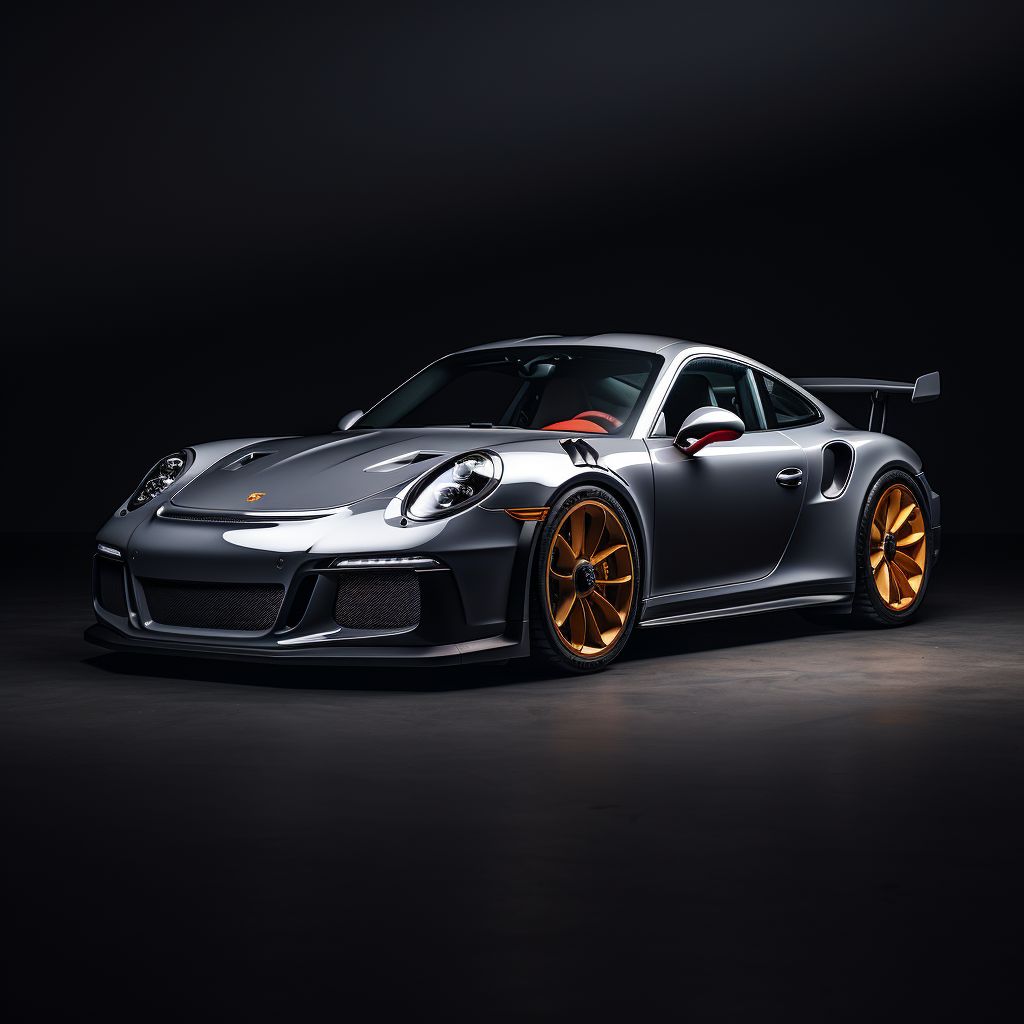
When it comes to protecting or customizing a vehicle, PPF (Paint Protection Film) and vinyl wrap are two of the most common choices. Yet despite their popularity, many car owners — and even installers — still confuse the two.
This guide breaks down PPF vs vinyl from a technical, performance, and long-term value perspective, helping you choose the right solution with confidence.
What Is PPF? (Paint Protection Film)
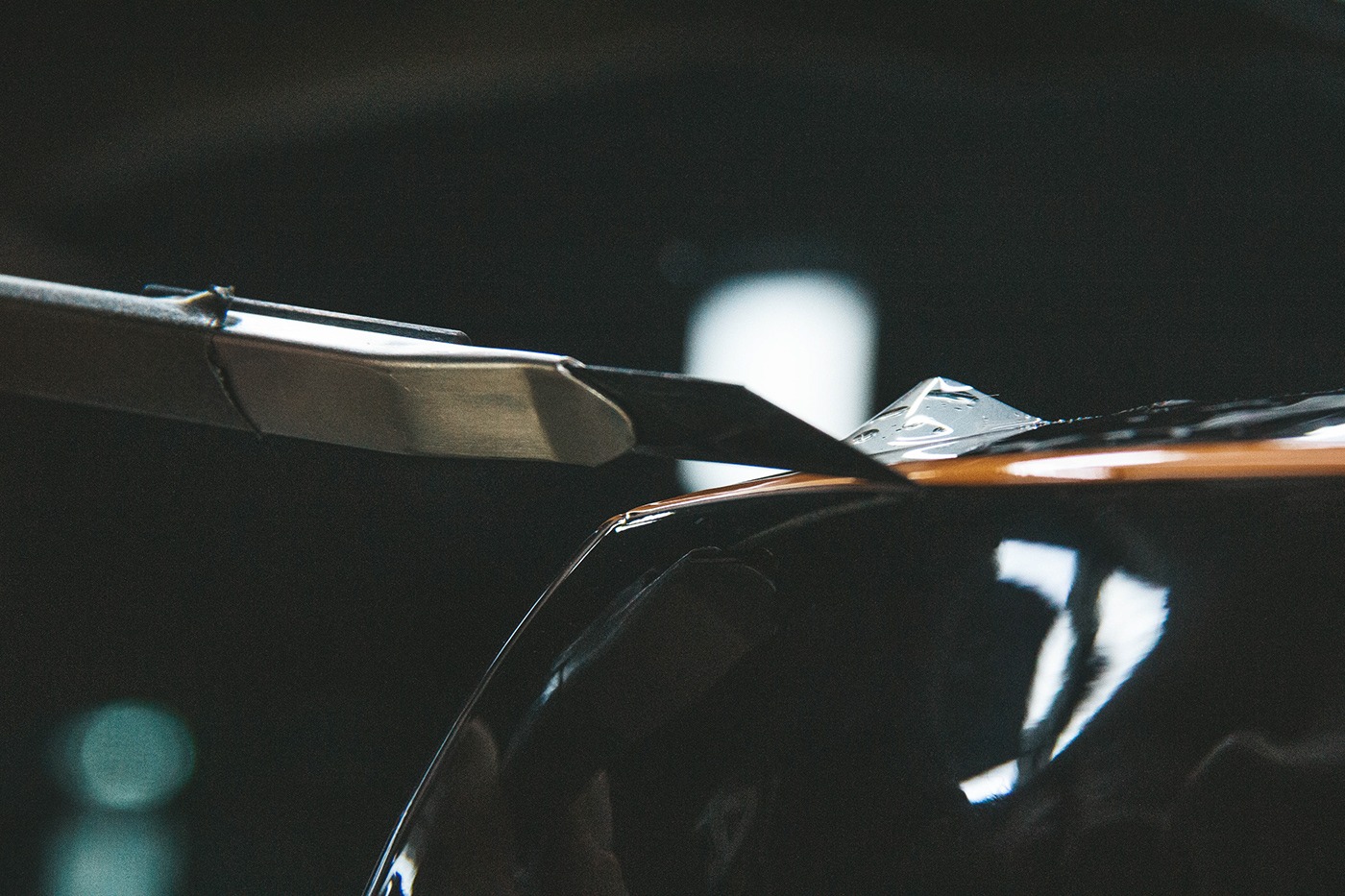
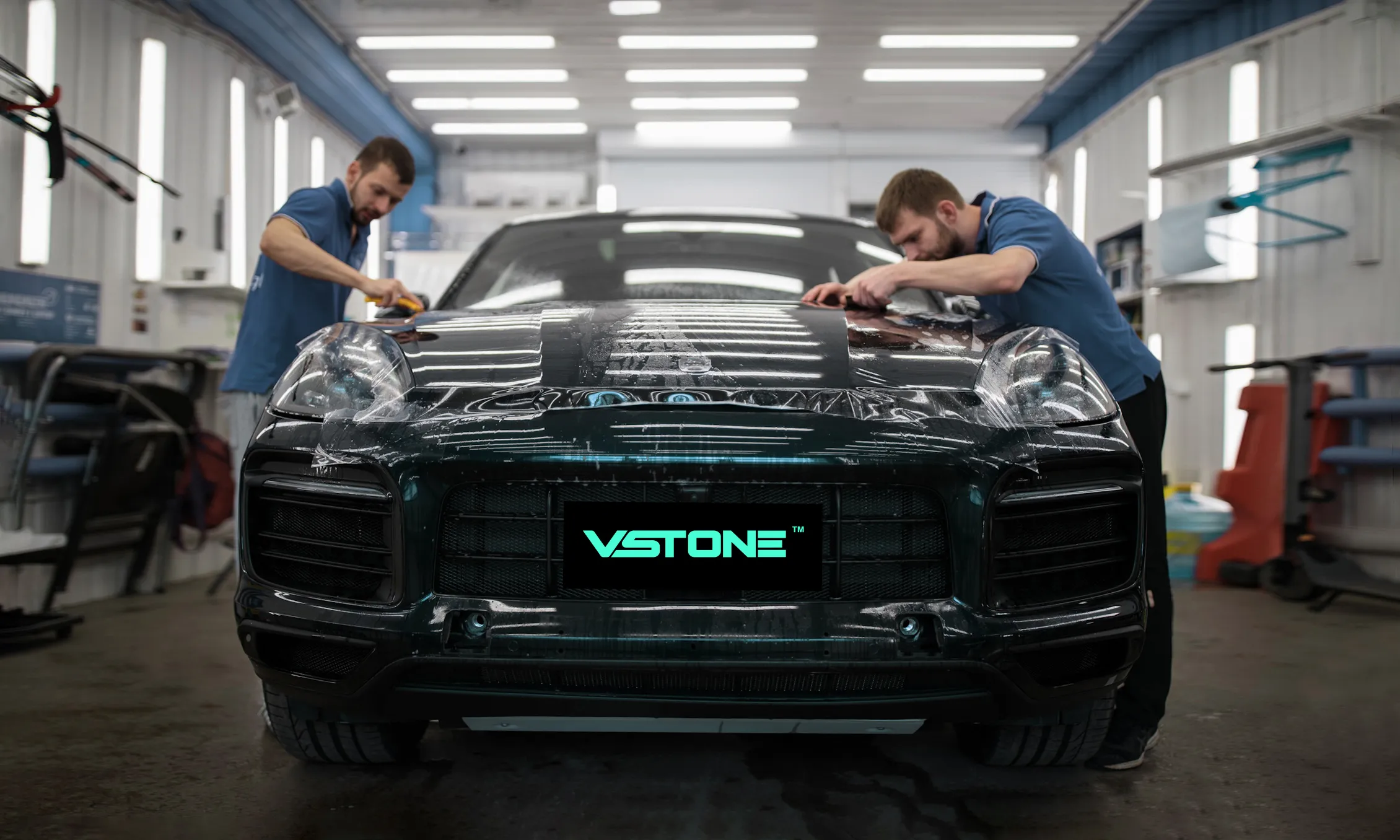
Paint Protection Film (PPF) is a transparent urethane film designed primarily to protect vehicle paint from physical and chemical damage.
Trusted Industry Context (Expertise)
Today’s leading PPFs use TPU materials combined with self-healing topcoats — a structure engineered specifically to resist impact, abrasion, staining, and oxidation.
VSTONE® — What Sets It Apart
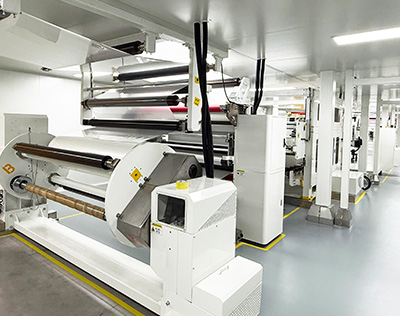
VSTONE®, a premium paint protection film brand under the TOME Group, is engineered for excellence.
Crafted from advanced imported materials with self-healing technology, VSTONE® films remain virtually invisible and exceptionally durable. They deliver maximum protection against stone chips, scratches, bird droppings, and other harsh environmental factors, keeping the vehicle’s finish pristine even in extreme conditions.
What Is Vinyl Wrap?
Vinyl wrap is a thin PVC film mainly used for aesthetic customization, not physical protection.
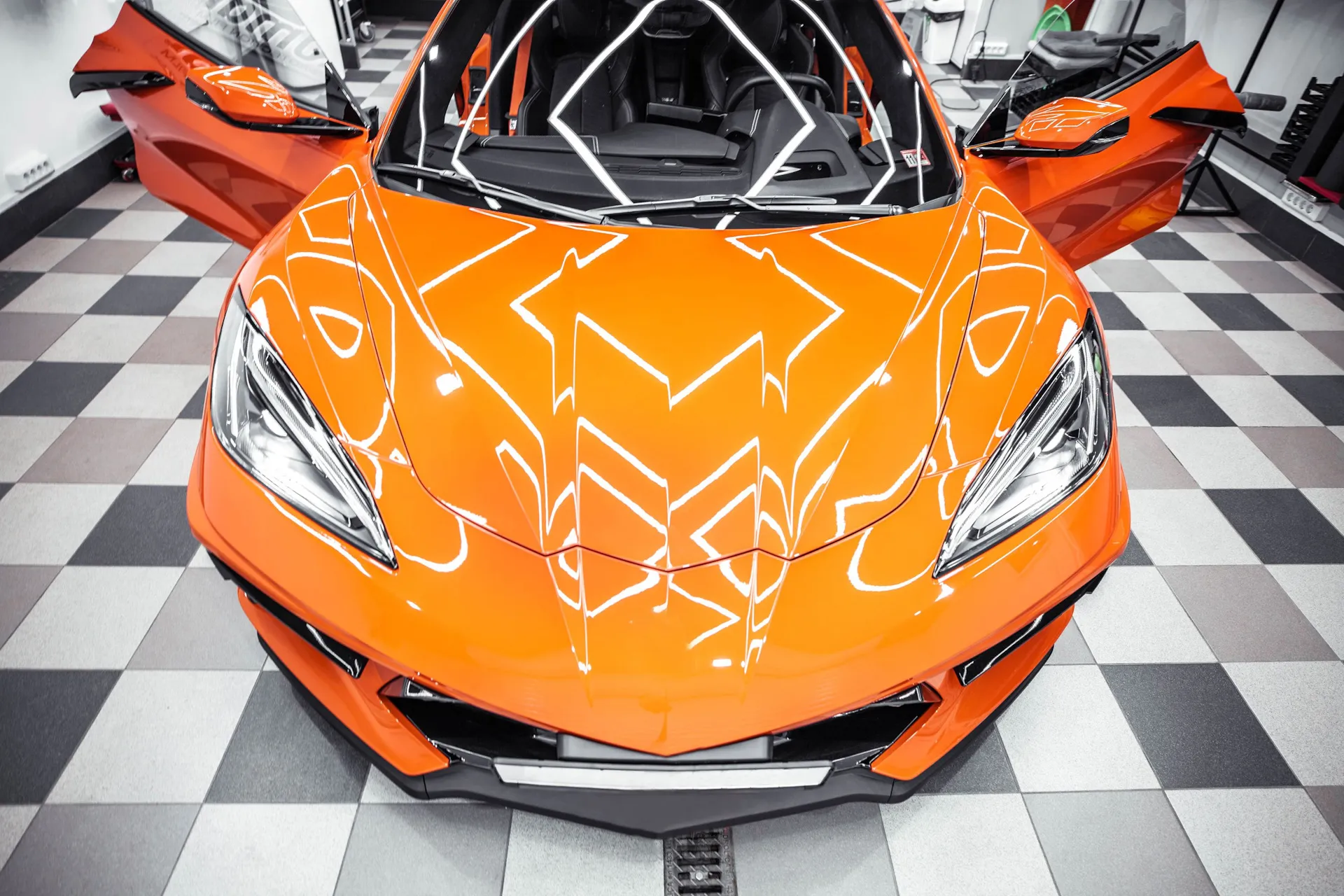
Vinyl is available in a wide range of colors, textures, and finishes — matte, chrome, satin, metallic, carbon fiber and more.
While it provides basic protection against dust and minor abrasion, its main purpose is styling, not durability.
PPF vs Vinyl: Full Comparison
| Feature | PPF (Paint Protection Film) | Vinyl Wrap |
|---|---|---|
| Material | TPU-based polyurethane | PVC |
| Primary Purpose | Protection | Aesthetic changes |
| Thickness | 6–10 mil | 2–4 mil |
| Protection Level | ★★★★★ (stone chips, scratches, UV, chemical stains) | ★★☆☆☆ (light surface protection only) |
| Self-Healing | Yes | No |
| Finish | Gloss or matte, always transparent | Unlimited colors & textures |
| Durability | 7–10+ years | 2–5 years |
| Cost | Higher | Moderate |
| Best For | Long-term paint protection | Color change or design customization |
When to Choose PPF
Choose PPF if your priority is:
Protecting factory paint
Preventing stone chips & scratches
Withstanding harsh weather and UV
Keeping the vehicle looking new for years
Maintaining resale value
VSTONE® PPF, with its self-healing topcoat and high-performance TPU construction, is engineered to provide maximum impact resistance and long-term durability — ideal for premium vehicles, daily drivers, and high-performance cars.
When to Choose Vinyl
Choose vinyl if your priority is:
Changing your vehicle’s color
Adding patterns, chrome deletes, or design wraps
Doing temporary customization
Lower upfront cost
Short-term projects or marketing graphics
Vinyl is excellent for visual transformation, but it cannot replace PPF’s protective properties.
Can You Combine PPF and Vinyl?
Yes. Although not commonly done, some installers apply vinyl on top of PPF for style while keeping the underlying paint protected.
However, for best longevity and performance, high-end brands typically recommend PPF first, then vinyl if needed.
Final Verdict: PPF vs Vinyl — Which Is Better?
It depends on your goals:
If you want protection, choose PPF — ideally VSTONE® for maximum clarity, durability, and self-healing performance.
If you want style, choose vinyl.
If you want both, you can mix them — but protection should always come first.
Ready to Protect Your Vehicle with VSTONE?
If long-term durability, premium clarity, and advanced protection matter to you, VSTONE® PPF is the superior choice.
Contact your local VSTONE® distributor or installation partner today and experience a new standard of paint protection engineered for excellence.