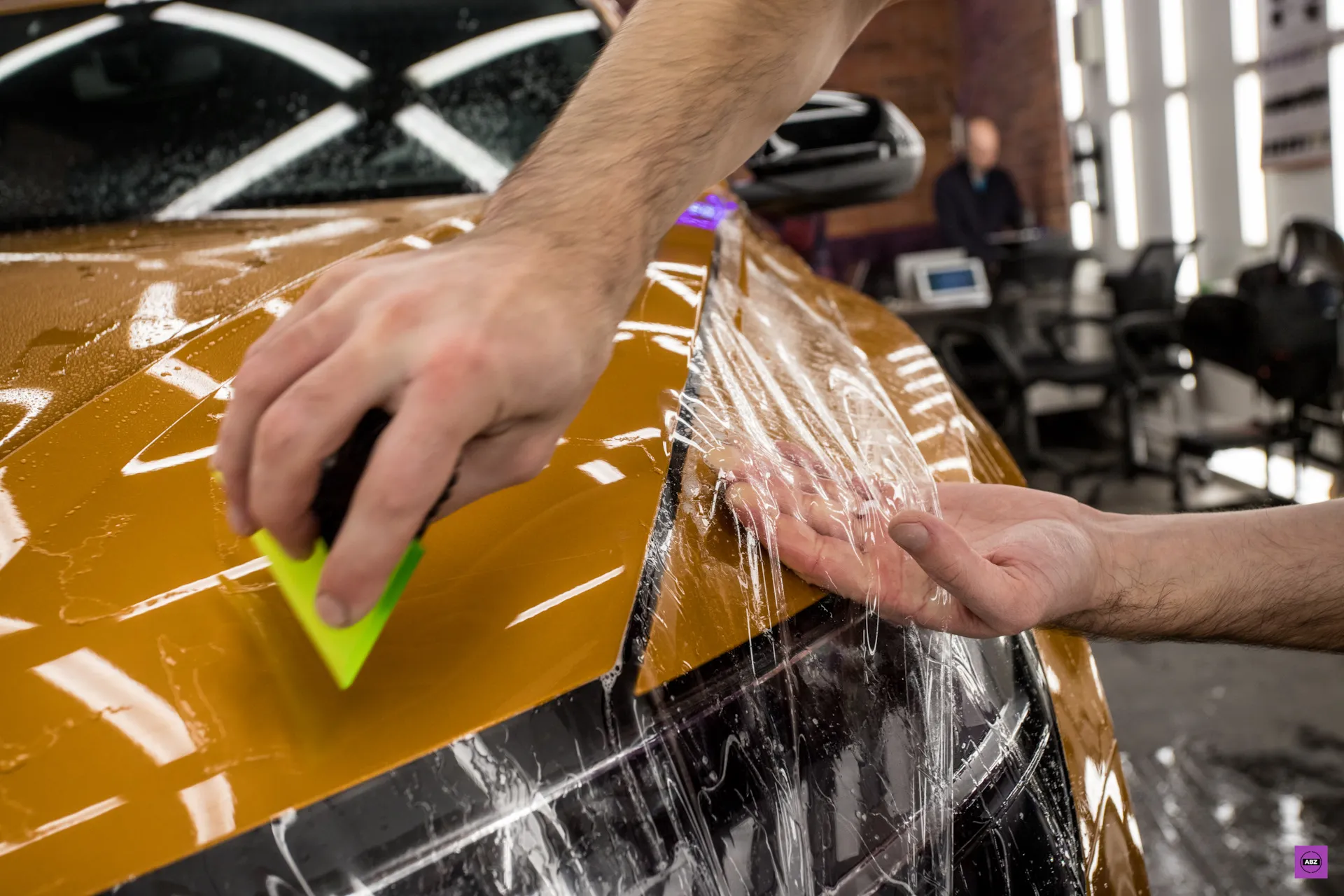
When it comes to paint protection film (PPF), choosing the right material makes all the difference in long-term performance, durability, and overall appearance. The two most common materials used in PPF manufacturing are TPU (Thermoplastic Polyurethane) and TPH (Thermoplastic Polyolefin). Both serve the same purpose—protecting your vehicle’s paint from scratches, stone chips, and environmental damage—but their performance varies significantly.
In this article, we’ll compare TPU vs. TPH paint protection film in terms of performance, durability, and self-healing ability, helping you choose the right one for your business or customers.
1. Performance Comparison: TPU vs. TPH
TPU (Thermoplastic Polyurethane) is known for its superior flexibility, clarity, and elasticity. It conforms easily to complex curves, making it ideal for full-body applications on modern vehicles. TPU films also maintain their transparency for years, offering a “wet look” finish that enhances a car’s paint gloss.
TPH (Thermoplastic Polyolefin), on the other hand, is more rigid and less elastic. While TPH can be cheaper to produce, it doesn’t fit curves as smoothly as TPU and tends to yellow faster when exposed to UV light. This makes TPH better suited for short-term or budget installations rather than premium protection.
| Feature | TPU PPF | TPH PPF |
|---|---|---|
| Flexibility | Excellent – conforms to curves easily | Moderate – more rigid |
| Transparency | High – crystal clear finish | Moderate – may haze or yellow |
| UV Resistance | Excellent | Average |
| Application Ease | Easier for professional installers | Harder to wrap complex panels |
2. Durability and Longevity
Durability is one of the most critical aspects of any paint protection film. TPU films are engineered with a multi-layer structure that provides strong resistance against abrasion, corrosion, and chemicals. They typically last 5–10 years depending on environmental conditions and maintenance.
TPH films, being less advanced, have a shorter lifespan—usually around 2–4 years. Over time, they can harden and lose elasticity, which may lead to cracking or peeling in harsh climates.
| Feature | TPU PPF | TPH PPF |
|---|---|---|
| Lifespan | 5–10 years | 2–4 years |
| Chemical Resistance | Excellent | Fair |
| Scratch Resistance | High | Moderate |
| Weather Resistance | Excellent | Average |
3. Self-Healing Technology
One of the standout features of modern TPU paint protection films is their self-healing ability. When exposed to heat (from sunlight or warm water), minor scratches and swirl marks automatically disappear, keeping the surface looking new for years. This is due to TPU’s elastic polymer structure that allows the surface layer to recover its shape.
TPH films, however, do not have true self-healing properties. Once scratched, the marks are permanent unless the film is replaced. This makes TPU a far better choice for long-term value and appearance retention.
| Feature | TPU PPF | TPH PPF |
|---|---|---|
| Self-Healing | Yes (with heat) | No |
| Surface Recovery | Automatic | Manual replacement required |
| Maintenance | Low | High |
4. Cost vs. Value
While TPH films are cheaper upfront, TPU films provide better long-term value. The extended durability, enhanced appearance, and self-healing features of TPU mean lower maintenance costs and higher customer satisfaction. For businesses or installers aiming for premium market segments, TPU paint protection film is the clear winner.
| Feature | TPU PPF | TPH PPF |
|---|---|---|
| Initial Cost | Higher | Lower |
| Maintenance Cost | Lower | Higher |
| Long-Term Value | Excellent | Average |
5. Final Verdict: TPU Is the Better Choice for Premium PPF
When comparing TPU vs. TPH, the conclusion is clear:
If you prioritize quality, durability, and self-healing performance, TPU paint protection film is the superior material. It’s ideal for automotive professionals, PPF installers, and high-end car owners who want reliable, long-lasting protection and a flawless finish.
TPH still has a role in the market—mainly for budget-conscious customers or short-term applications—but it cannot match TPU’s premium characteristics.