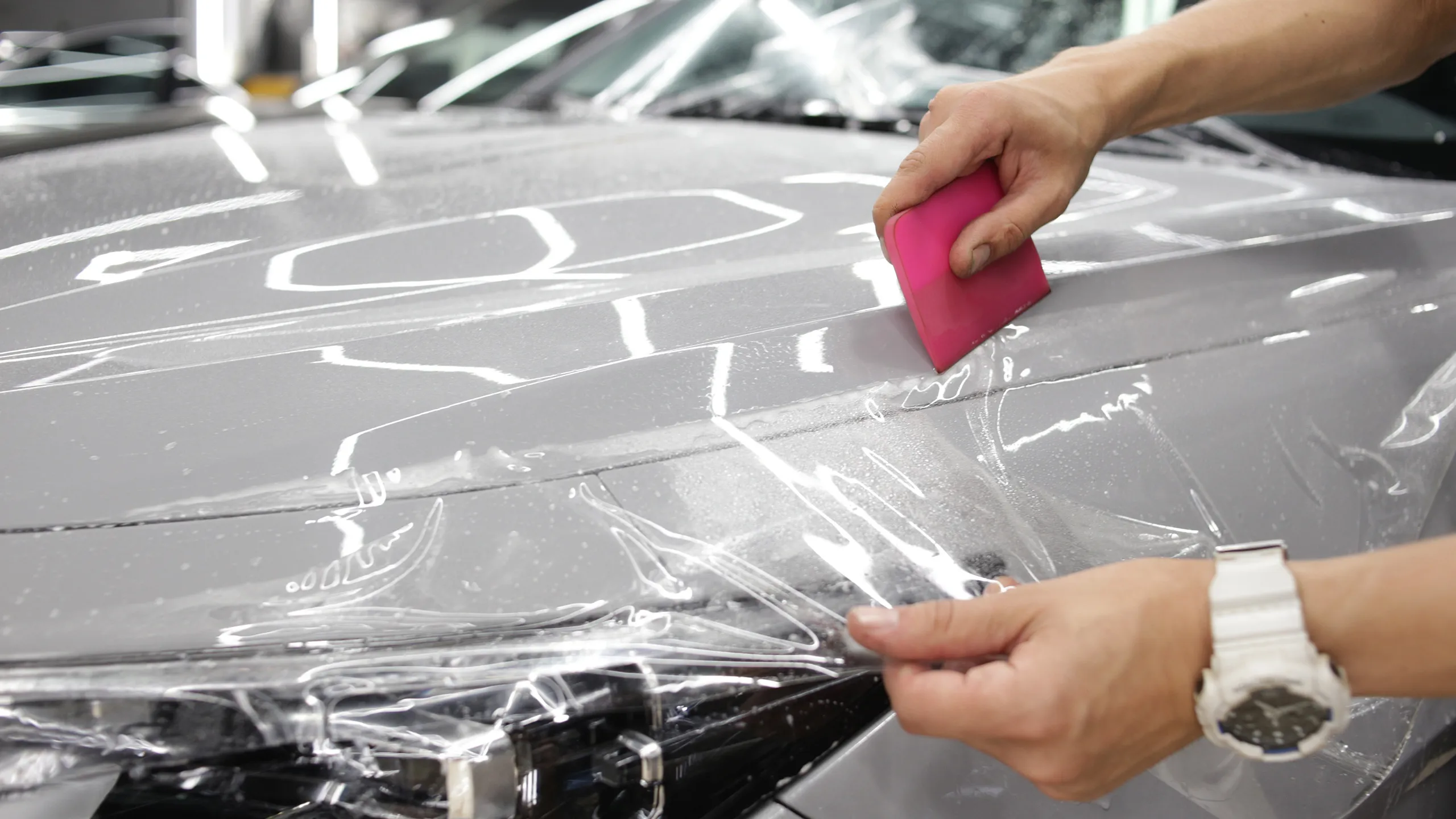
Leave a car in the sun for half an hour and you’ll understand the problem instantly.
You open the door and a wave of hot air hits your face.
The steering wheel is almost untouchable.
The air conditioner blasts at full power the moment the engine starts.
Most drivers think this is simply the reality of summer driving. But what many people don’t realize is that the real reason cars heat up so quickly is the glass.
Modern vehicles use large glass areas—windshields, side windows, panoramic roofs. While they make cars feel brighter and more open, they also allow huge amounts of solar heat to enter the cabin.
That’s why window tint has quietly evolved from a styling upgrade into something far more practical: a tool for managing heat and energy inside modern vehicles.
Why Modern Cars Trap So Much Heat
Automotive glass looks solid, but it behaves very differently from metal panels when exposed to sunlight.
When sunlight hits the vehicle, a large portion of that energy passes directly through untreated glass. Once inside the cabin, it becomes trapped as heat—creating the familiar greenhouse effect every driver has experienced.
That’s why the interior of a parked car can become dramatically hotter than the outside temperature in a short period of time.
The problem has become even more noticeable in recent years. Automakers are adding:
Larger windshields
Panoramic sunroofs
Full-glass roofs on EVs
These designs look impressive, but they also mean more sunlight entering the vehicle than ever before.
Without any thermal protection, the air-conditioning system ends up doing most of the work trying to cool the cabin back down.
The Real Benefit of Window Tint Isn’t Just Privacy
For years, many drivers installed window tint mainly for the darker look or added privacy.
But modern automotive films are designed to do something much more important: block heat before it enters the car.
High-performance films use multi-layer technology and advanced materials to filter solar energy, especially infrared radiation—the part of sunlight responsible for most heat buildup inside the vehicle.
When heat is reduced at the glass level, the entire driving experience changes.
Drivers often notice that:
The cabin cools down faster
The air conditioner doesn’t need to work as hard
Interior temperatures stay more stable on long drives
The impact becomes even more interesting when you look at fuel consumption and electric vehicles.
Air-conditioning systems draw energy directly from the engine or battery. When less cooling is required, the vehicle simply uses less power to maintain a comfortable cabin.
For gasoline vehicles, that can translate into slightly improved fuel efficiency.
For electric vehicles, it can help reduce one of the biggest hidden drains on battery range during hot weather.
That’s one of the reasons why many EV owners are now choosing high-performance window film as a practical upgrade rather than a cosmetic one.
As the automotive film market continues to grow, installers and distributors are paying closer attention to the quality and consistency of the films they work with.
Brands with strong manufacturing systems tend to deliver more stable performance and supply reliability—two factors that matter greatly for professional installers.
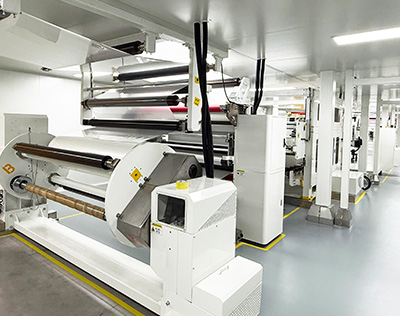
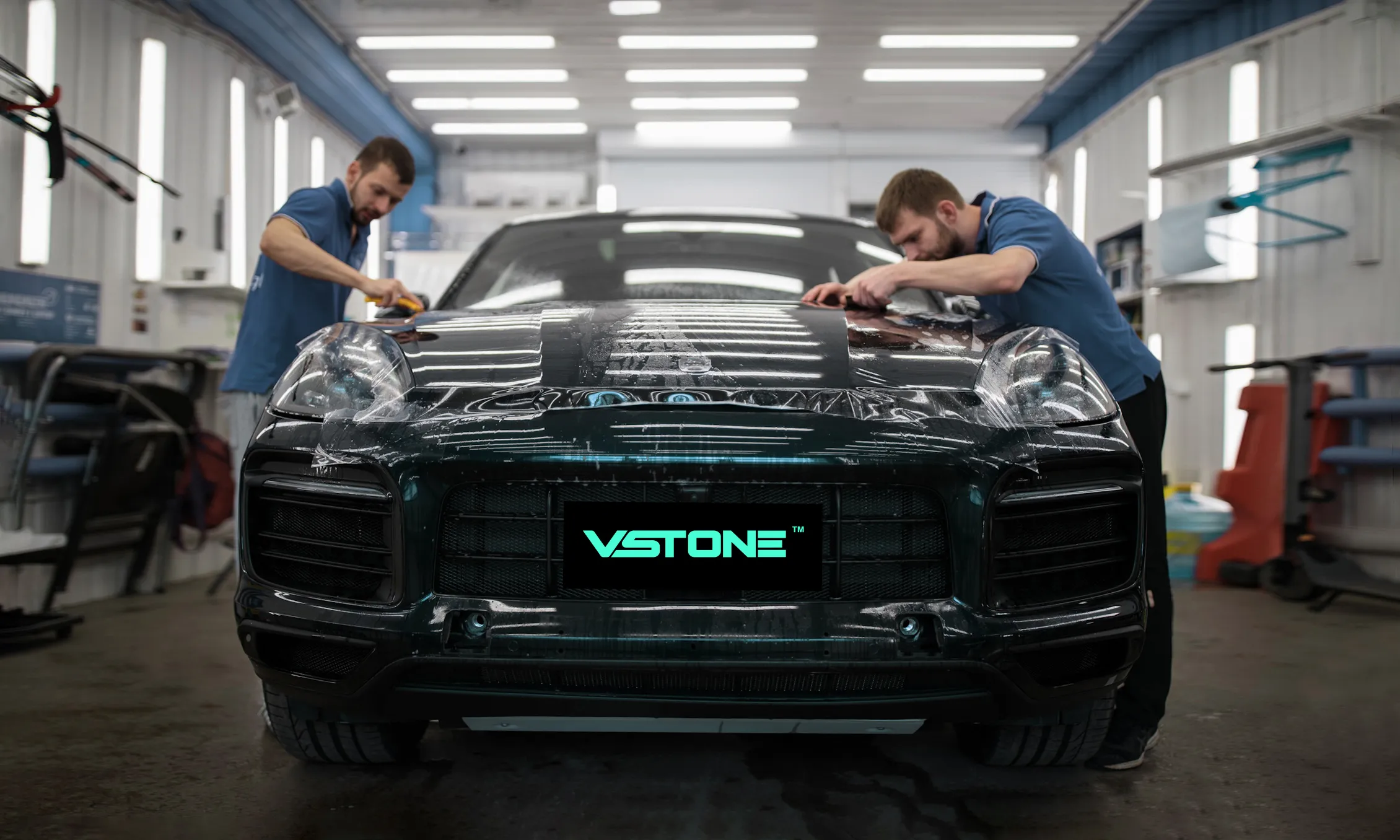
VSTONE, developed under the TOME Group manufacturing system, focuses on automotive protection films engineered for global B2B partners. By controlling production from material sourcing to finished rolls, the brand aims to provide installers and distributors with consistent film performance and long-term supply stability.
For professionals in the automotive film industry, that kind of reliability is becoming just as important as the specifications on the product sheet.
Cars are becoming more glass-heavy, especially with the rise of electric vehicles and panoramic roof designs. While that creates a more open driving experience, it also increases the amount of heat entering the cabin.
Window tint has gradually shifted from a styling accessory to a practical upgrade that improves comfort, reduces cooling demand, and helps vehicles manage energy more efficiently.
For drivers, the difference is immediately noticeable the moment they step into the car on a hot day.
And for the automotive film industry, it’s one of the reasons window film continues to see strong global demand.