Many auto detailing businesses focus on services like ceramic coating, polishing, or window tint. These services are popular, but there’s one product that has quietly become the highest-margin service in many premium detailing studios: paint protection film (PPF).
Across North America, Europe, and the Middle East, detailing shops are increasingly shifting toward premium TPU-based PPF installations. The reason is simple: when done correctly, PPF doesn’t just protect the vehicle—it can transform the entire business model of a detailing shop.
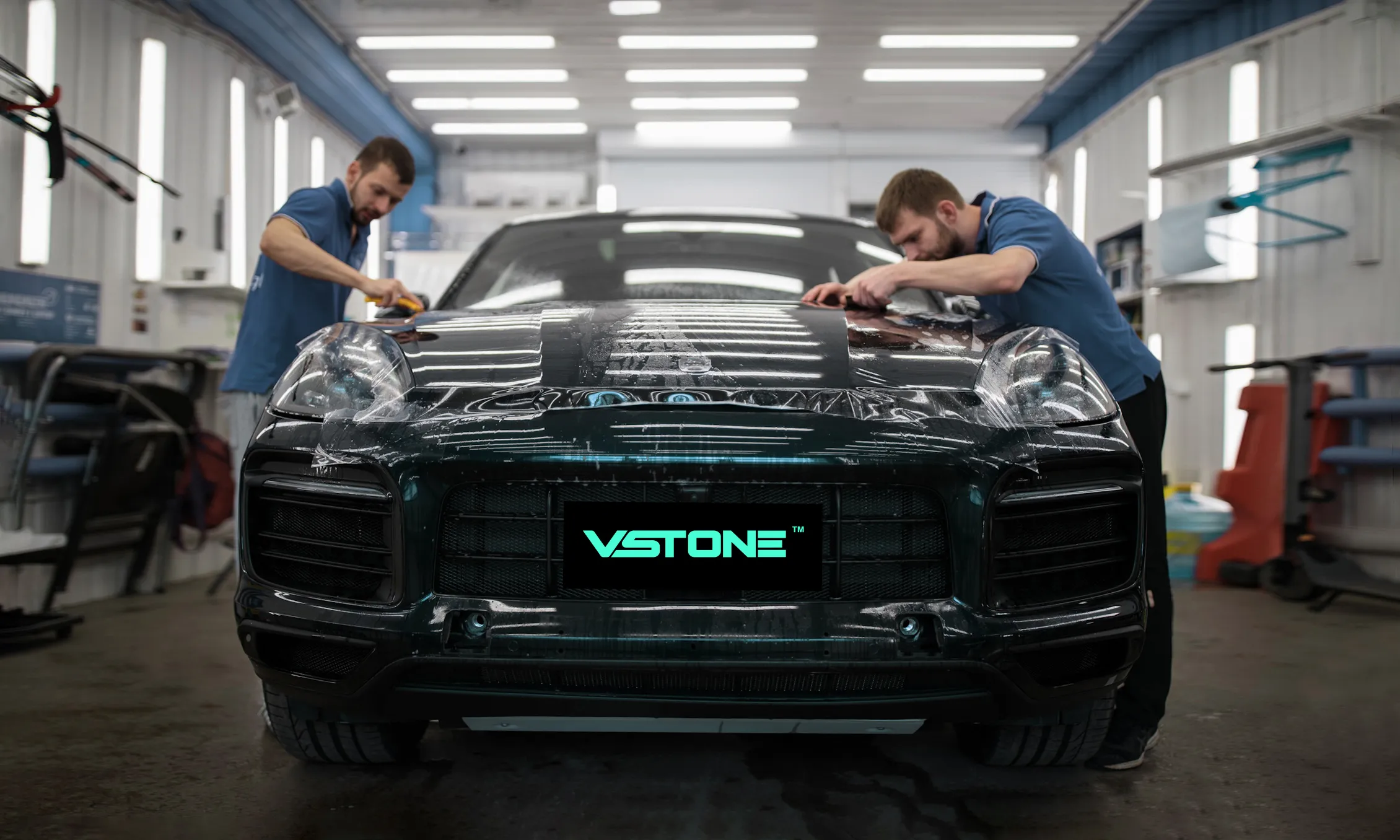
Instead of relying on multiple small-ticket services, a single full-body PPF installation can generate several thousand dollars in revenue. And when the film quality is high, the installation process becomes faster, more reliable, and more profitable.
But not all PPF delivers the same results.
Why Premium PPF Installs Faster and Creates Higher Profit Margins
One of the biggest differences between premium paint protection films and lower-cost alternatives is installation efficiency.
High-quality TPU films are engineered with better elasticity, stronger adhesive technology, and more consistent manufacturing. For installers, this means:
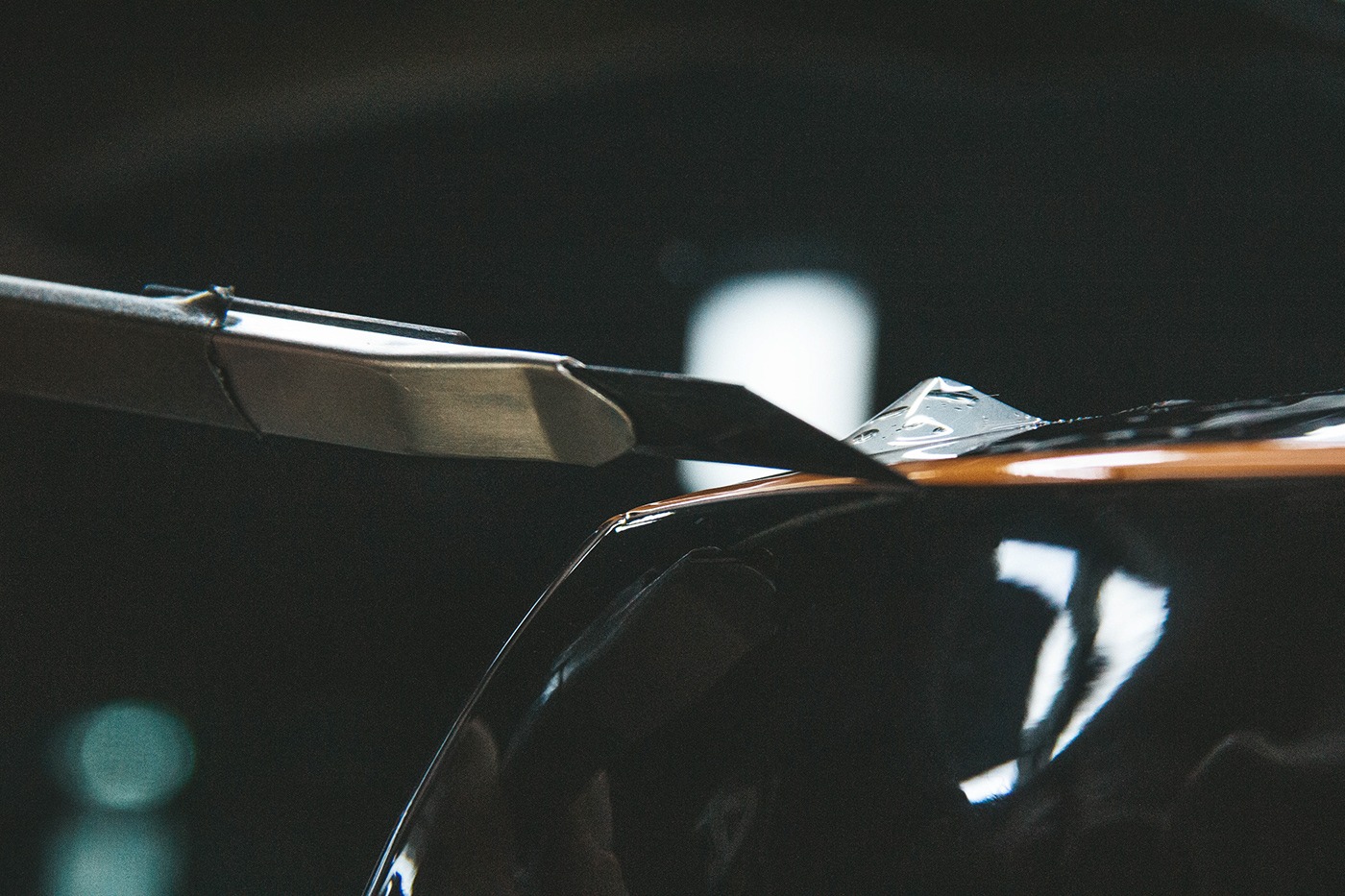
Easier stretching over complex curves
Less risk of tearing during installation
Reduced bubbles and lifting edges
Repositionable adhesive for precise alignment
In practical terms, installers can often complete a vehicle 20–30% faster compared with entry-level films.
That efficiency directly translates into revenue. If a shop can install more vehicles per week while maintaining premium pricing, the profit margins grow significantly.
For example, many detailing studios price a full PPF installation between $3,000 and $5,000, depending on the vehicle and film quality. With premium film systems, the labor time decreases while the perceived value increases, creating stronger margins.
Just as importantly, premium films significantly reduce post-installation issues, such as edge lifting, yellowing, or adhesive failure. Fewer warranty claims mean fewer costly reworks.
The Real Cost of Cheap Paint Protection Film
At first glance, cheaper PPF options may seem attractive—especially for shops trying to reduce material costs.
However, many installers eventually discover that low-grade films introduce problems that quickly erase any initial savings.
Common issues with low-quality films include:
Poor stretchability that makes installation difficult
Weak adhesive that leads to edge lifting
Yellowing under UV exposure
Surface defects that affect gloss clarity
When these problems occur, the shop—not the supplier—usually pays the price. Reinstallations, customer complaints, and reputation damage can quickly turn a “cheap” film into an expensive mistake.
For many successful detailing businesses, upgrading to premium PPF becomes less about cost and more about risk management and brand positioning.
Why PPF Works So Well as a High-Ticket Service
Another reason paint protection film has become such a powerful revenue driver is its ability to anchor premium service packages.
Once a customer invests in PPF, it becomes natural to bundle additional protection services such as:
Ceramic coating on top of the film
Window tint installation
Interior protection film
windshield protection film
Instead of selling isolated services, detailing shops can create complete vehicle protection packages that significantly increase the average order value.
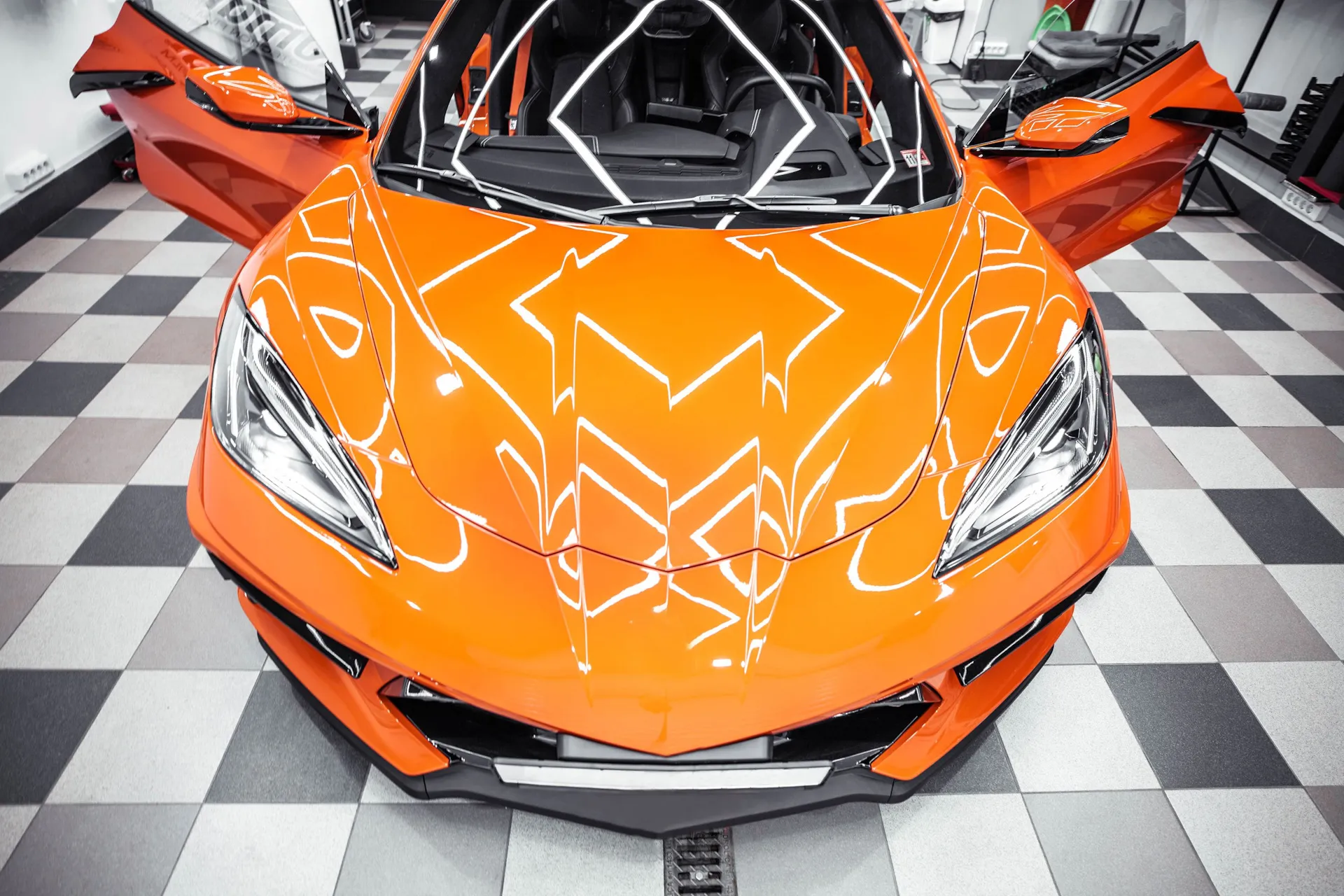
For high-end vehicles like Tesla, Porsche, BMW, or Mercedes-Benz models, these packages can easily reach $5,000–$8,000 per vehicle.
Choosing the Right PPF System for Different Vehicle Segments
Not every customer needs the same level of paint protection film. Successful installers often offer multiple product tiers to match different vehicle categories and budgets.
For example, many distributors now structure their product lines into two main groups:
TPH Paint Protection Film
TPH films are designed as an accessible entry-level protection solution. They are often used on daily-driver vehicles such as:
Toyota
Nissan
Honda
standard commuter sedans
These films provide reliable scratch protection and improved paint durability while maintaining an attractive price point for cost-conscious customers.
TPU Paint Protection Film
TPU-based films represent the premium segment of the market. They offer superior durability, advanced self-healing coatings, and higher clarity.
These films are commonly installed on luxury or performance vehicles such as:
Tesla
BMW
Porsche
Mercedes-Benz
Lamborghini
For these vehicles, customers typically expect the highest level of paint protection and are willing to invest in premium film systems.
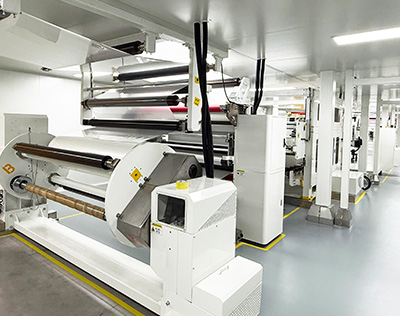
Manufacturers like VSTONE, part of the TOME Group, focus on delivering both TPU and TPH film series to support installers across different market segments. By combining advanced material engineering with stable global supply, these film systems allow distributors and detailing shops to build scalable protection service portfolios.
The Future of Paint Protection Film in the Automotive Aftermarket
As vehicle prices rise and automotive finishes become more sophisticated, the demand for long-term paint protection continues to grow.
Electric vehicles, luxury SUVs, and high-performance cars are particularly driving this trend. Owners want their vehicles to maintain showroom-level appearance for years, and PPF has become one of the most reliable solutions.
For detailing businesses, this shift presents a major opportunity.
Shops that position themselves around premium protection services—rather than basic detailing—are often able to attract higher-end customers, increase ticket sizes, and build stronger long-term client relationships.
Paint protection film is no longer just an accessory. For many modern detailing studios, it has become the foundation of a profitable automotive protection business.
Yes. PPF is considered one of the highest-margin services in auto detailing because of its premium pricing and strong customer demand for long-term paint protection.
TPU films are premium-grade materials offering better durability, self-healing performance, and clarity. TPH films provide more affordable protection for daily-driver vehicles.
Prices vary depending on vehicle size and film quality, but full-body installations typically range from $3,000 to $5,000 or more.
Premium films offer better stretchability, easier installation, stronger adhesive performance, and fewer warranty issues.